Jeonju: A Thousand-Year City of Hanok, Cuisine and Korean Wellness
Jeonju
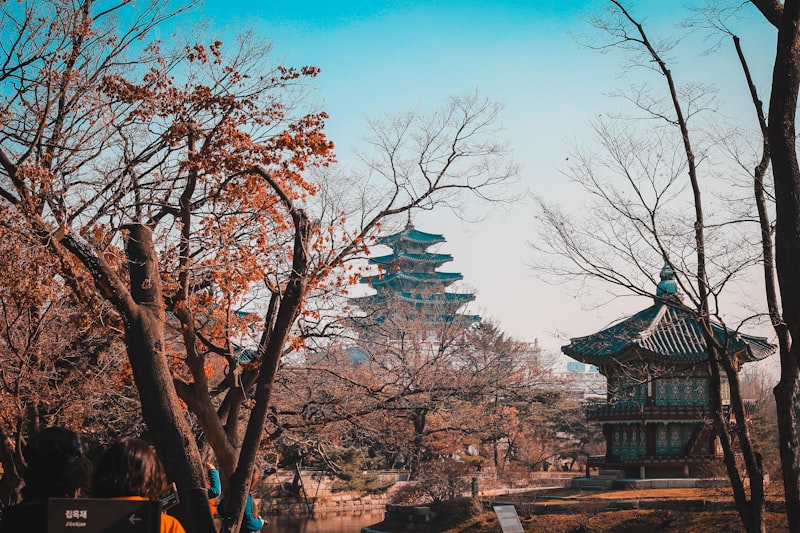
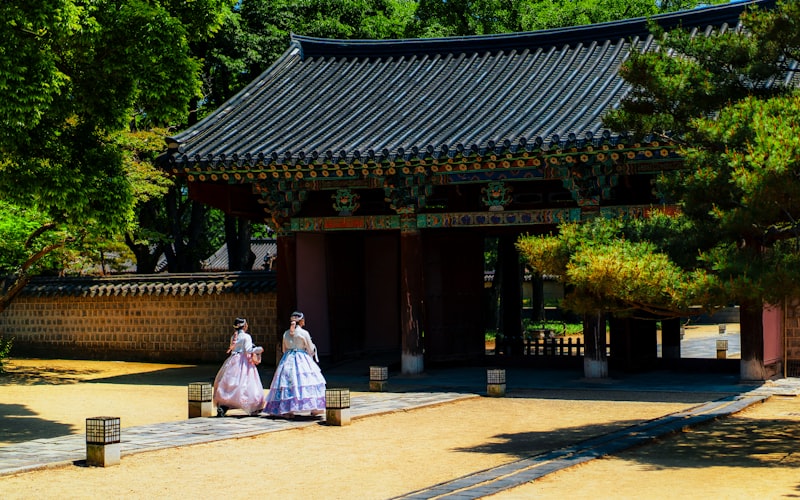
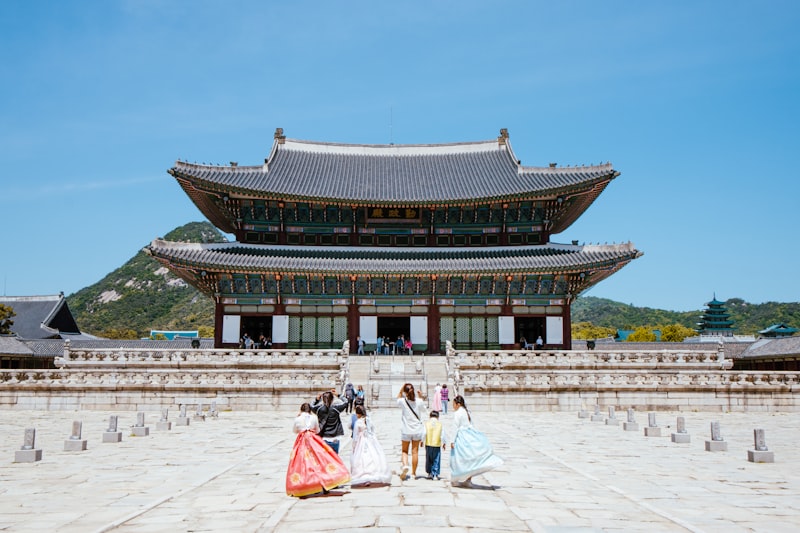
Jeonju, the heart of Jeollabuk-do, is beloved worldwide for its Hanok Village of some 800 traditional houses and its rich culinary heritage as a UNESCO City of Gastronomy. As the ancestral home of the Joseon Dynasty, historic sites such as Gyeonggijeon Shrine, Jeondong Cathedral and Omokdae cluster in the old town, while traditional hanji paper and Korean herbal-medicine culture remain vibrantly alive. With wholesome Korean cuisine led by Jeonju bibimbap and bean-sprout soup, and a wellness scene blending traditional Korean medicine and relaxation, Jeonju is an appealing base for medical tourists.
Tourism & K-Culture
Top Attractions
Latest K-Culture & Tourism News
K-Culture & Tourism

MediQueen Expands Jeonju & Jeonbuk Medical Tourism with Korean-Medicine and Wellness Programs
MediQueen partners with hospitals across Jeonju and Jeonbuk to broaden medical-tourism programs blending Korean herbal medicine and wellness, with expanded multilingual coordinator support.
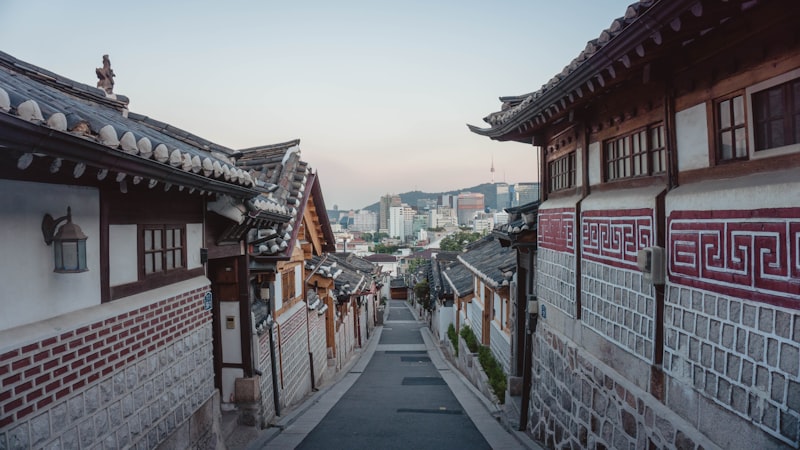
Jeonju Summer Local Guide — Hanok Village Night Views, Bean-Sprout Soup & Hanji Alleys
A guide to Jeonju's summer highlights and eats for downtime between appointments — from Omokdae night views to bean-sprout soup and hanji workshop alleys.
🍽️ Food Guide
Jeonju Food
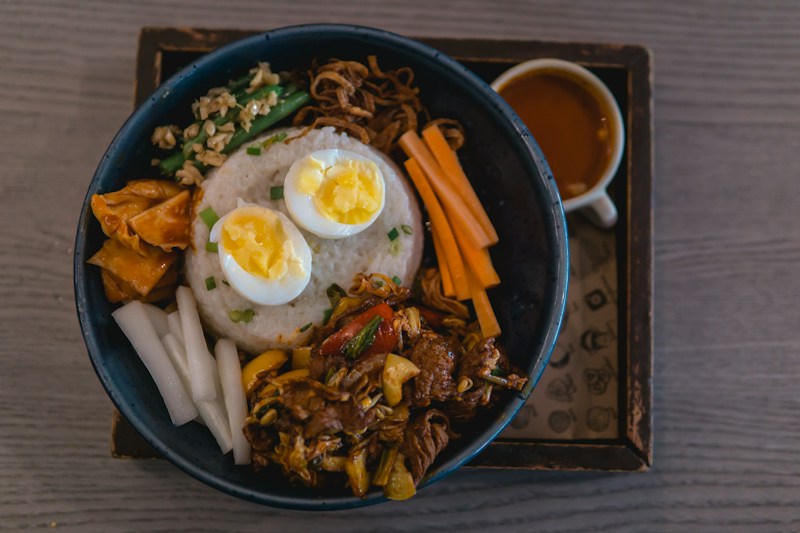
Jeonju Bibimbap
Jeonju's signature local dish — a brassware bowl artfully topped with bean sprouts, mung-bean jelly, seasonal vegetables, beef tartare and sesame oil, prized for its balance of color and nutrition.
⭐ Must-Try
Jeonju bibimbap + bean-sprout soup set

Kongnamul Gukbap (Bean-Sprout Soup Rice)
Jeonju-style rice soup brimming with crisp bean sprouts in a clear, refreshing broth. Gentle on the stomach, it is a beloved staple for breakfast and morning-after recovery.
⭐ Must-Try
Bean-sprout soup + poached egg
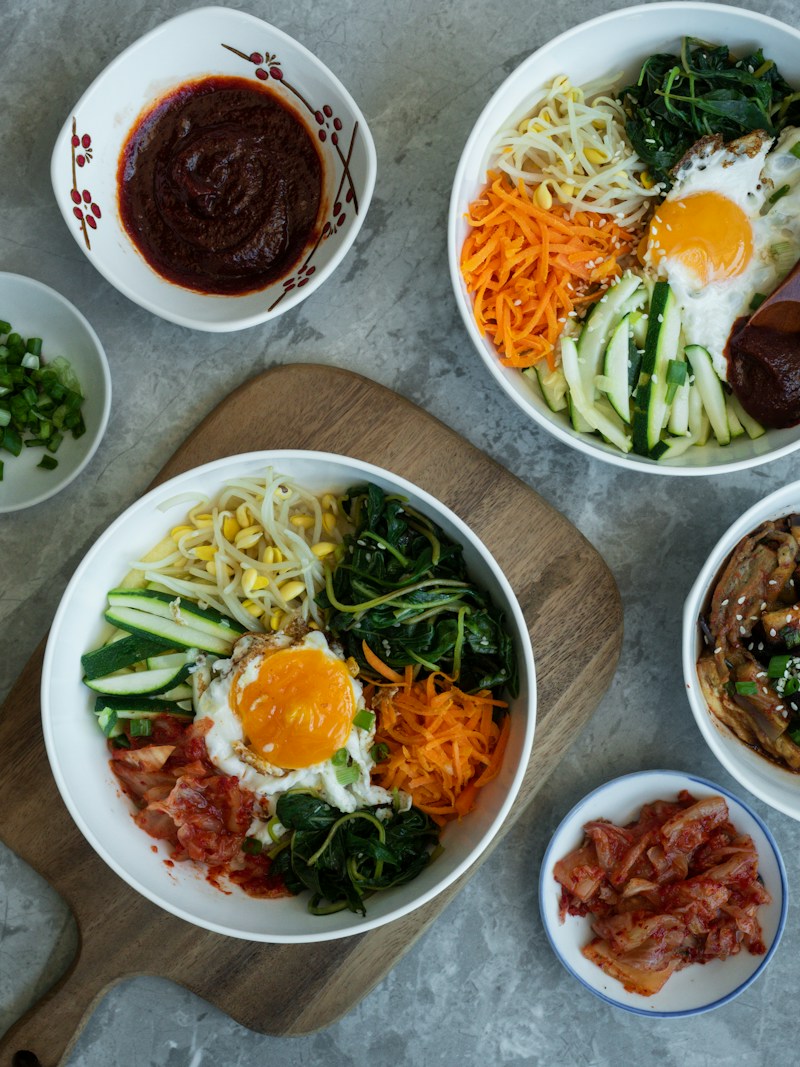
Jeonju Hanjeongsik (Full-Course Korean Meal)
Jeonju's pride — a table laden with dozens of side dishes. Seasonal vegetables, delicate braised dishes, savory pancakes and fermented sides come together to reveal the essence of the Korean table.
⭐ Must-Try
Hanjeongsik full course (set for two)
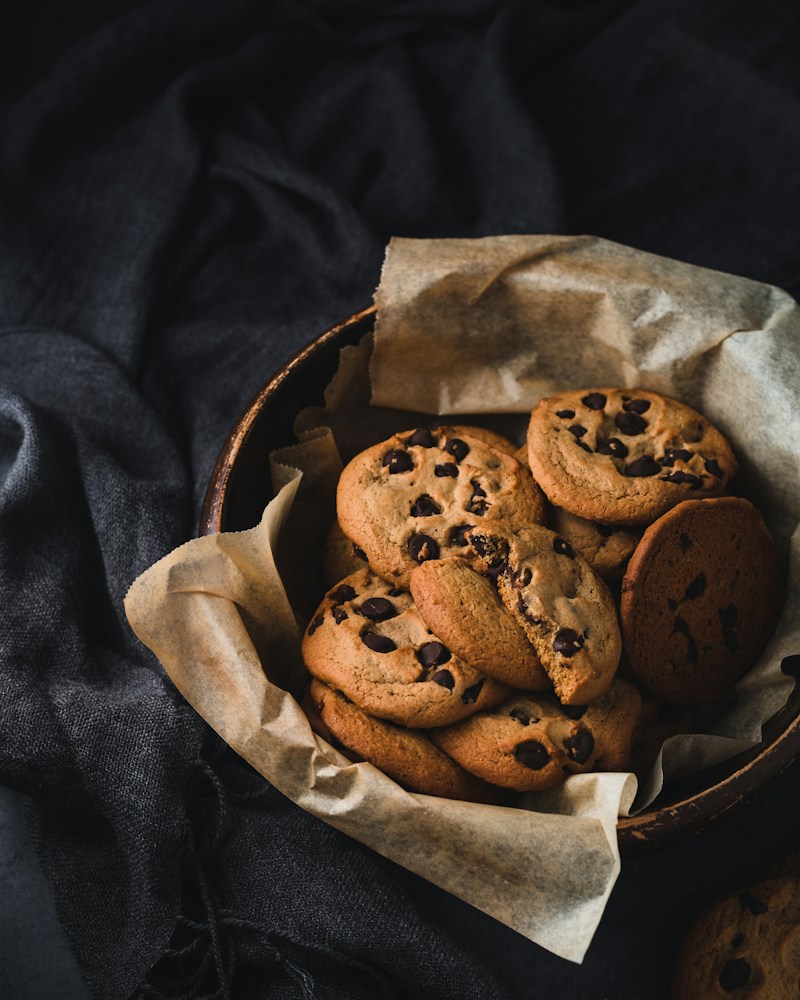
Jeonju Handmade Choco Pie (Pungnyeon & PNB)
A signature treat from Jeonju's long-established bakeries: handmade choco pies with cream and jam between moist cake layers, coated in chocolate — a favorite travel gift.
⭐ Must-Try
Handmade choco pie + traditional tea
🌸 Seasonal Guide
Best Time to Visit
Spring (April-May) and autumn (September-November) are ideal. Spring offers double cherry blossoms and Hanok Village walks; autumn brings foliage and gastronomy festivals. The snowy hanok scenery and warm soups of winter are also appealing.
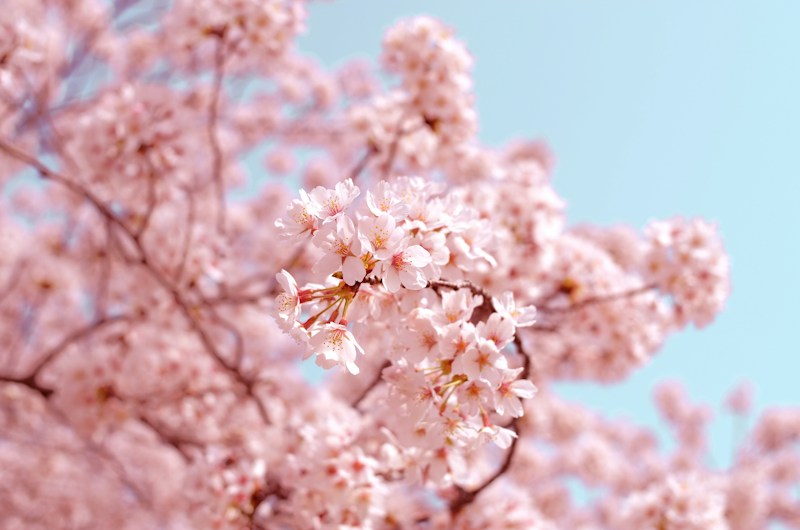
Spring in Jeonju: Cherry Blossoms & Hanok Village Walks
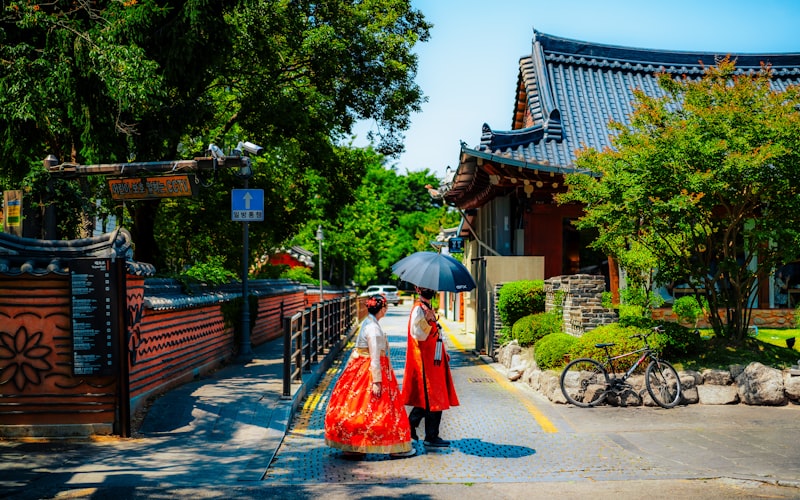
Double cherry blossoms along Jeonjucheon Stream and Wansan Park create a spectacular sight. The mild weather makes it the best time to stroll the Hanok Village alleys in hanbok.
- •Double cherry blossom walk at Jeonjucheon
- •Hanok Village tour in hanbok
- •Gyeonggijeon & Jeondong Cathedral outing
- •Hanji craft experience

Summer in Jeonju: Hanok Shade & Cooling Soups
In the heat, cool off at teahouses under hanok eaves and soothe your stomach with refreshing bean-sprout soup. In the evening, take in the Hanok Village night views from Omokdae.
- •Traditional tea at a hanok teahouse
- •Bean-sprout soup & bibimbap food tour
- •Omokdae night views
- •Indoor hanji workshop experience

Autumn in Jeonju: Fall Foliage & Gastronomy
The foliage around Omokdae and Hanbyeokdang turns gloriously colorful. Gastronomy events such as the Jeonju Bibimbap Festival take place in autumn, letting you savor the true face of the UNESCO City of Gastronomy.
- •Autumn foliage walk at Omokdae & Hanbyeokdang
- •Join the Jeonju Bibimbap Festival
- •Nambu Market night market food tour
- •Hanok Village café hopping
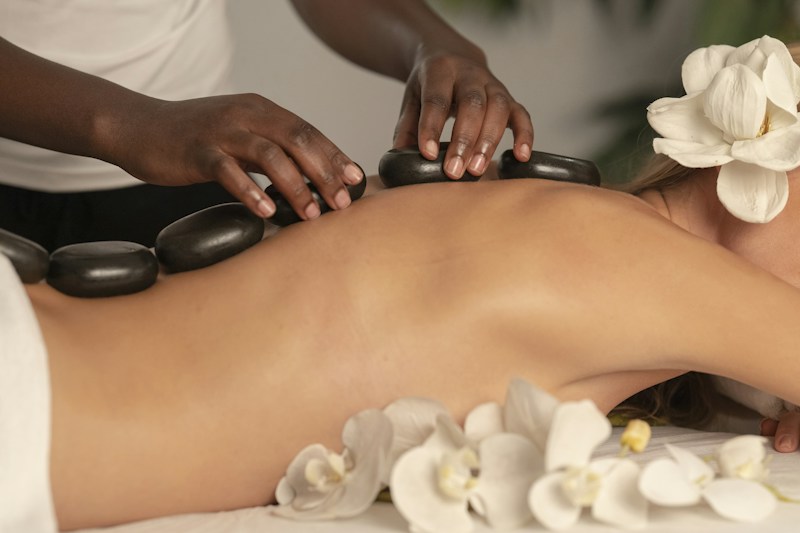
Winter in Jeonju: Warm Soups & Traditional Tea
In the cold, warm up with steaming bean-sprout soup and savor a cup of traditional tea at a hanok teahouse. When snow falls, the quiet snowscape of hanok tiled roofs is especially beautiful.
- •Bean-sprout soup restaurant tour
- •Traditional tea at a hanok teahouse
- •Snowy Hanok Village views
- •Handmade choco pie & traditional treats
💡 Travel Tips
Jeonju — Travel Tips
Hanbok Rental & Hanok Village Walks
Hanbok rental shops throughout the village charge about ₩10,000-₩20,000 for 2-4 hours. Wearing hanbok grants free entry to some sites, including Gyeonggijeon Shrine. Alleys are narrow with many steps, so comfortable shoes are recommended.
Getting to Jeonju (KTX & Bus)
From Seoul's Yongsan Station to Jeonju Station takes about 1 hour 40 minutes by KTX. Express buses from Seoul run to Jeonju in about 2 hours 40 minutes. From the station or terminal, the Hanok Village is 15-20 minutes by city bus or taxi.
Using Korean-Medicine & Wellness Consultations
Jeonju has medical institutions offering Korean-medicine care and wellness programs. Treatments such as acupuncture, moxibustion and Korean physical therapy are always provided after consultation with qualified medical staff and may vary by individual health condition. Advance booking and interpreter requests are recommended.
Traditional Hanji & Craft Experiences
Jeonju has long been renowned for its premium hanji paper. Workshops in and around the Hanok Village offer hanji fan- and postcard-making and traditional crafts, mostly small drop-in programs that need no reservation. You can take your finished piece home as a travel keepsake.
SIM Card & Wi-Fi
Rent a SIM or pocket Wi-Fi at Incheon/Gimpo Airport. Free public Wi-Fi is available in subways, cafés, and public areas nationwide — arranging a travel SIM before arrival is the easiest option.
Buy a travel SIMGetting Around
KTX: About 1 hour 40 minutes from Seoul's Yongsan Station to Jeonju Station. Express buses from Seoul take about 2 hours 40 minutes. The Hanok Village is 15-20 minutes from the station or terminal by city bus or taxi, and the village itself is best explored on foot.
🏥 Hospitals in This Region
Jeonju
Hospitals
📍 Nearby Regions
Nearby Regions



Start Medical Tourism in This Region
Experience the charm of Korea alongside world-class medical services