City of Art, Culture, and the Best Food in Korea
Gwangju
Gwangju is Korea's cultural capital and its undisputed food city. The Asia Culture Center (ACC) is the largest multi-cultural complex in Asia, and the Gwangju Biennale — Asia's first contemporary art biennale — enjoys worldwide acclaim. Visitors are captivated by Mudeungsan's stunning nature, the history of the May 18th Democratization Movement, and the legendary "Jeolla-do taste" that even Koreans agree is the nation's best. For medical tourism, Gwangju offers excellent care at more affordable prices than Seoul, emerging as a new hub for healing tourism that combines art, gastronomy, and nature therapy.
Tourism & K-Culture
Top Attractions
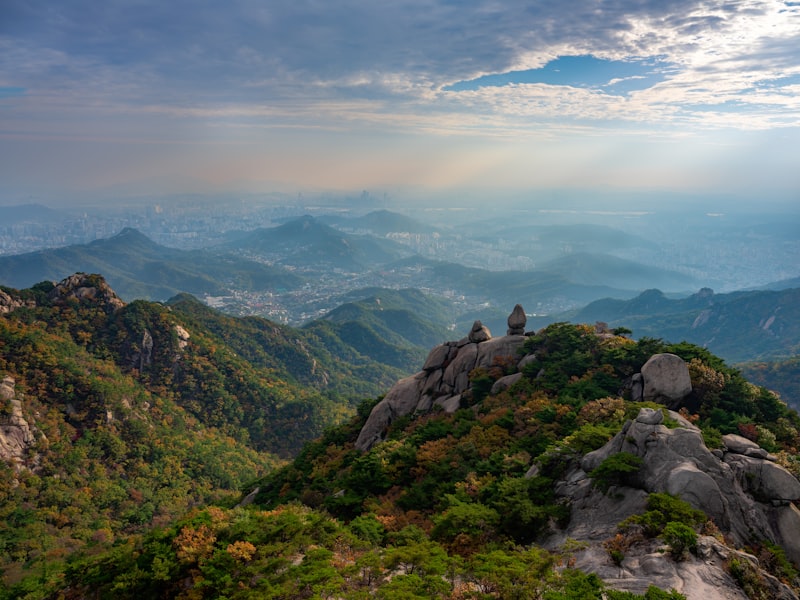
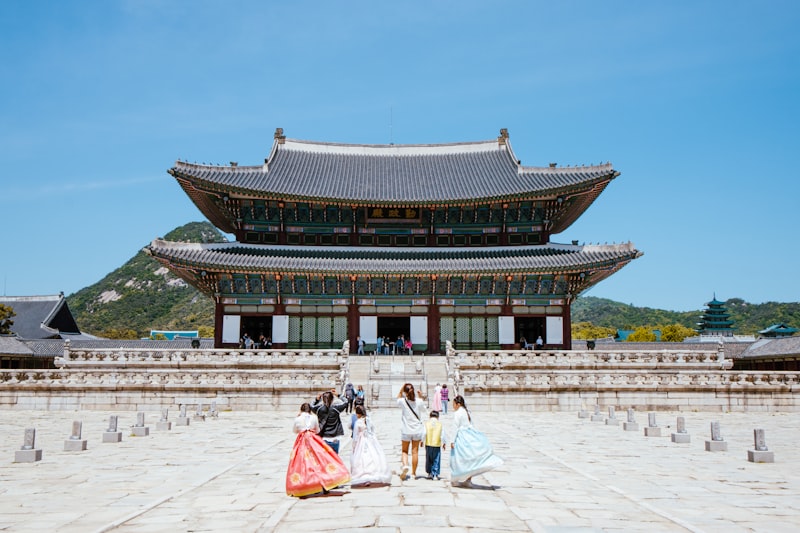
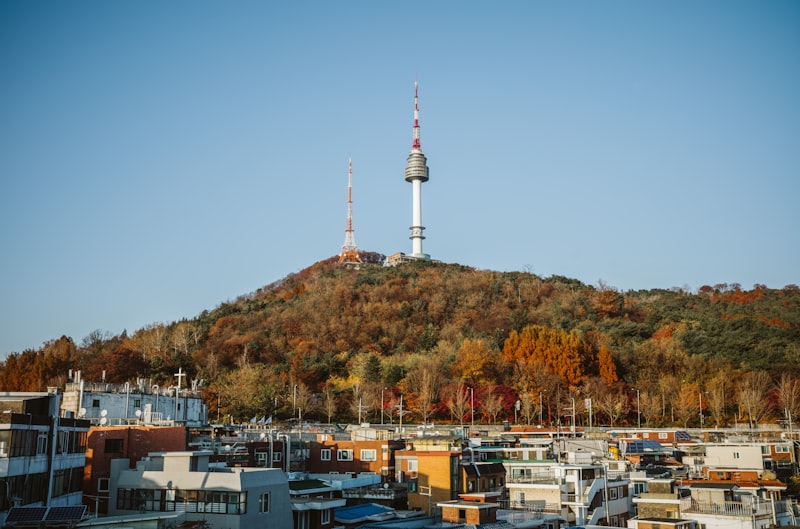
Mudeungsan National Park
At 1,187m elevation, Mudeungsan is Gwangju's sacred mountain, famous for its dramatic columnar jointing rock formations at Seoseokdae and Ipseokdae. Hikeable year-round, the panoramic city views from the summit are breathtaking. Spring azaleas and autumn silver grass paint the entire mountainside.
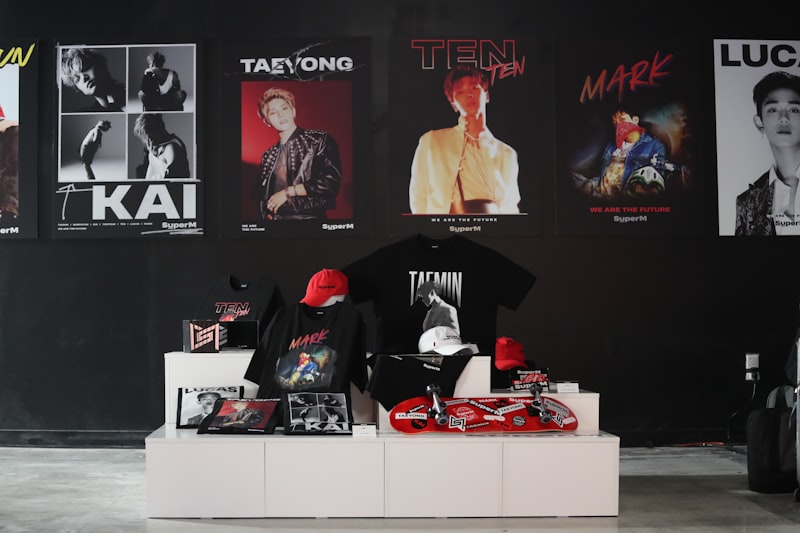
Gwangju Art Street
Gwangju's cultural art street lined with galleries, workshops, and art shops. Murals and sculptures adorn every corner, with flea markets and street performances on weekends. Discover unique works by young artists and feel Gwangju's artistic soul in charming cafes.
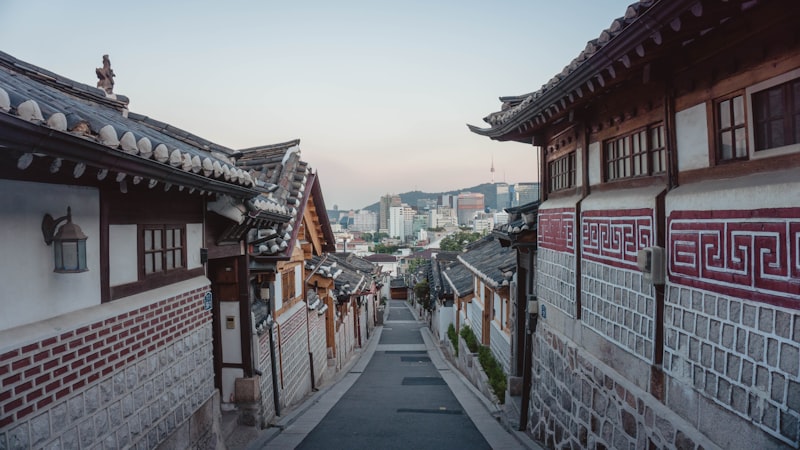
Yangnim-dong Penguin Village
A village in Yangnim-dong where residents create art from recycled materials and decorate alleys with penguin sculptures. This community-driven art project offers humble yet heartwarming charm, with colorful mural alleys and quirky cafes making it an Instagram hotspot.
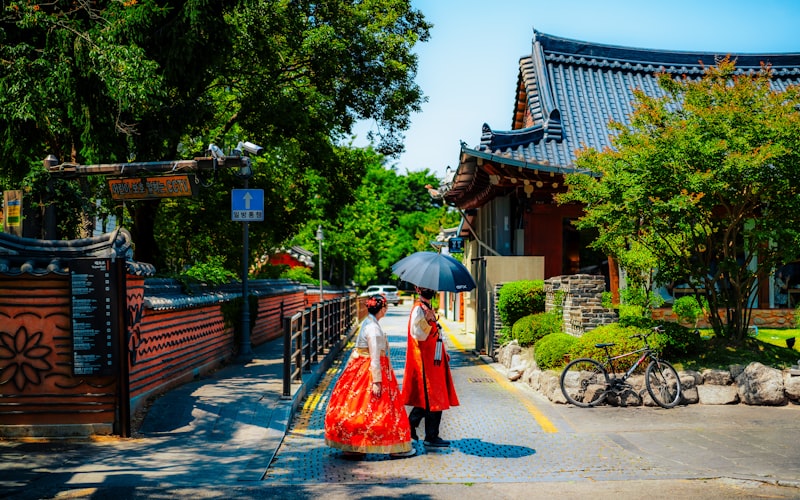
National Asian Culture Complex (ACC)
The largest multi-purpose cultural complex in Asia, built on the historic site of the former South Jeolla Provincial Office — the epicenter of the May 18 Democratic Movement. Its unique underground architectural design and media art exhibitions are impressive, with diverse international performances, exhibitions, and educational programs year-round. A landmark symbolizing Gwangju's cultural pride, the Light Square illumination at night is magical.
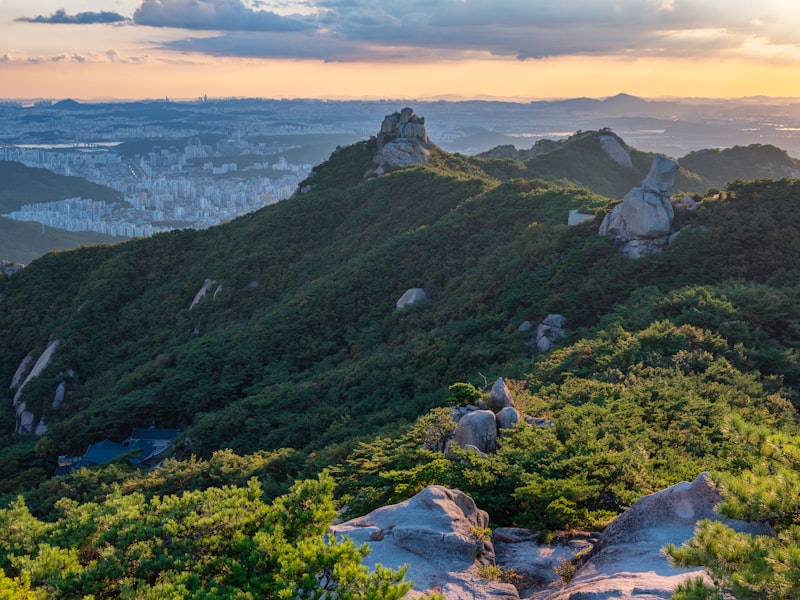
Sajik Park Observatory
Located in the heart of downtown Gwangju, Sajik Park is a low hill about 80m above sea level with a 360-degree panoramic view of Gwangju from the summit observatory. The nightscape of downtown Gwangju against Mt. Mudeungsan at sunset is spectacular, and cherry blossoms make spring visits beautiful. An easy walking course ideal for post-treatment recovery, and a beloved urban retreat for citizens.
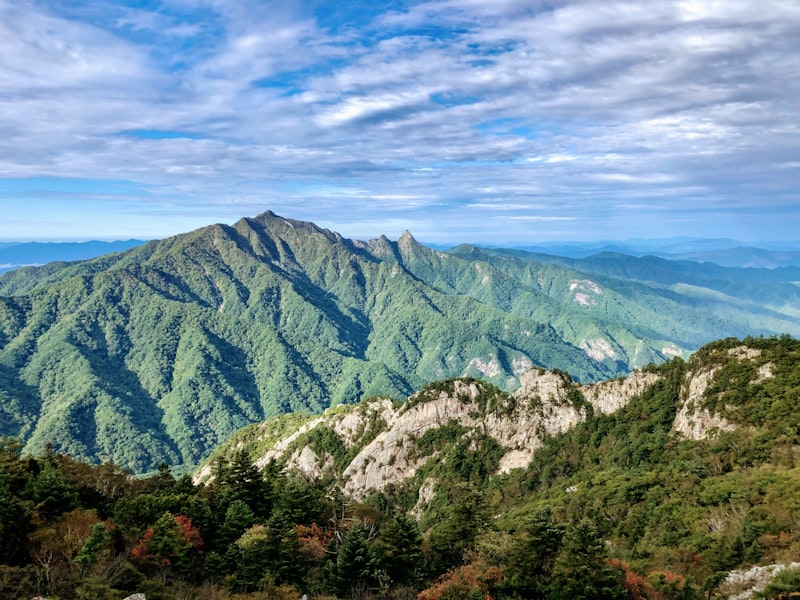
Gwangjuho Lake Eco Park
A waterfront ecological park surrounding Gwangju Lake, featuring a metasequoia path, wetland observation deck, and aquatic botanical garden. A 4km walking trail circles the lake with beautiful scenery year-round. Easily connected to Mudeungsan hiking, ideal for post-treatment nature healing.
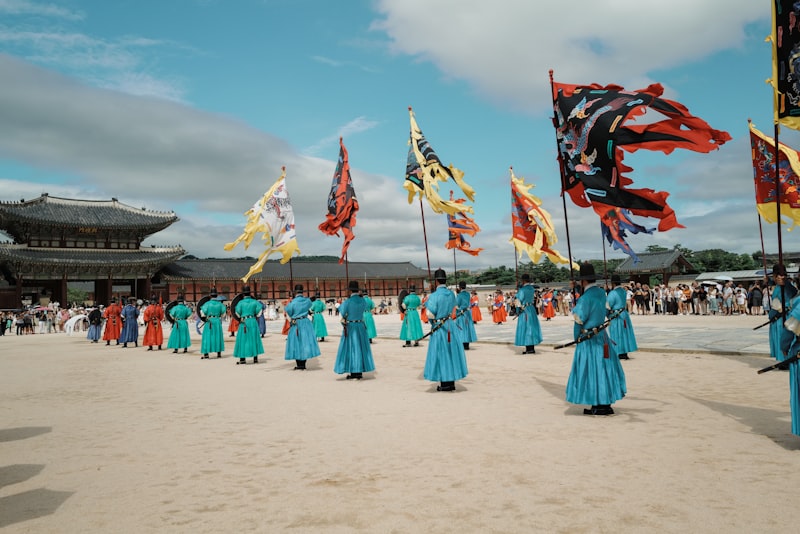
May 18th Memorial Park
A memorial park honoring the 1980 Gwangju Democratization Movement. Features memorial sculptures, a documentary hall, and a Peace Pond, serving as an educational space to feel the importance of democracy. With spacious lawns and walking paths, it is also a beloved resting place for citizens and a meaningful visit for foreigners interested in Korean democratic history.
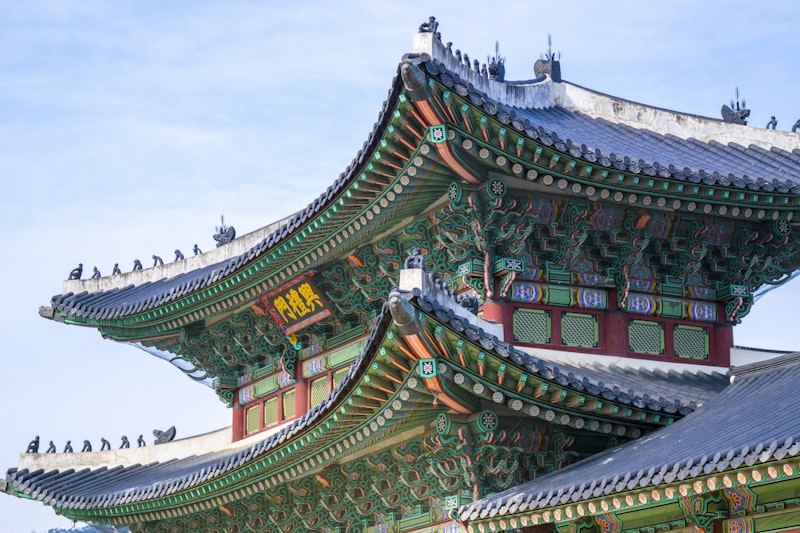
Gwangju Family Land
Located within Uchi Park, Gwangju Family Land is a combined amusement park, zoo, and botanical garden. Features roller coasters, Viking rides, bumper cars, and a zoo with 100+ animal species. Nestled at the foot of Mudeungsan with excellent natural surroundings, ideal for medical tourists traveling with family. Water play facilities operate in summer.
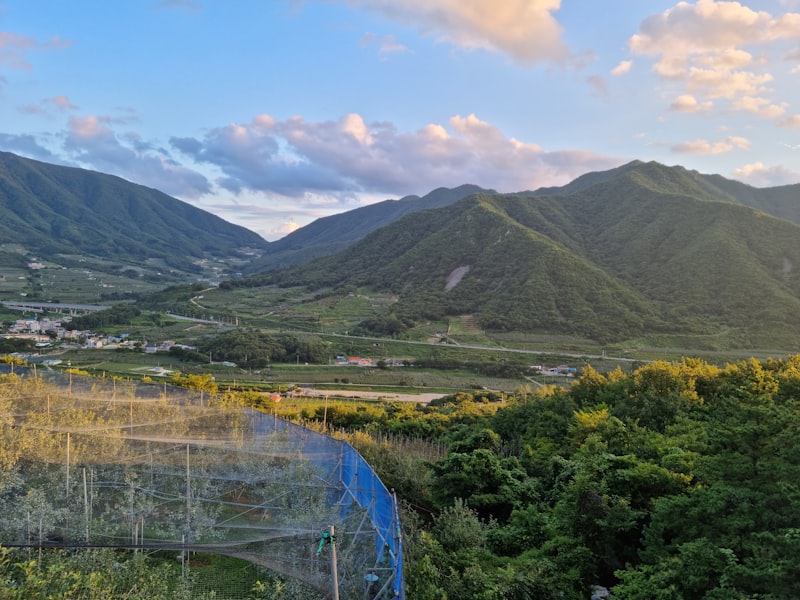
Mudeungsan Cypress Forest
The cypress forest in Mudeungsan National Park is a treasure trove of forest healing, rich in phytoncides. Thousands of cypress trees over 40 years old create a dense woodland where walking soothes body and mind with nature's fragrance. Cool and comfortable even in summer, ideal for escaping the heat, and especially recommended for patients seeking natural healing after medical tourism. Forest therapy programs are available.
Latest K-Culture & Tourism News
K-Culture & Tourism

MediQueen Launches Summer Southeast Asian Patient Program in Gwangju
MediQueen has launched a summer program to attract Southeast Asian patients with partner dermatology, plastic surgery, and health checkup hospitals in Gwangju, offering multilingual support and tailored packages for visitors from Vietnam, Thailand, and Indonesia.
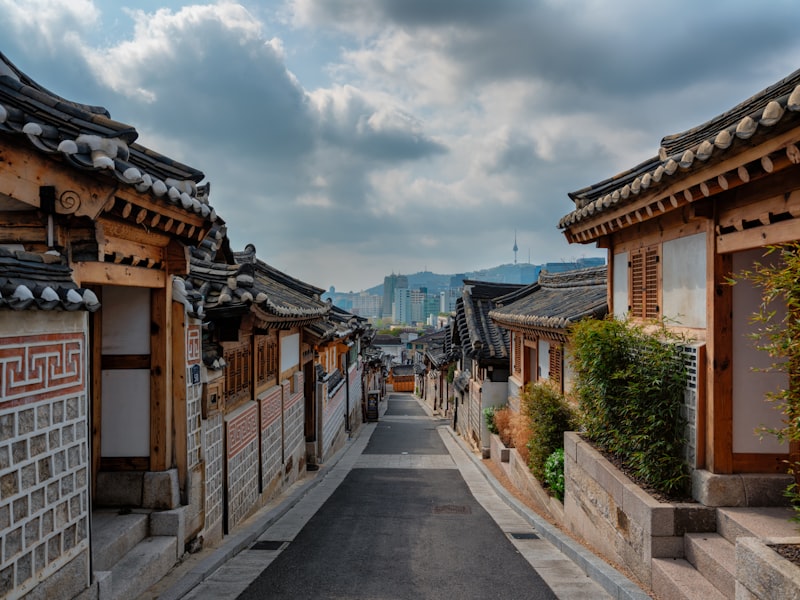
Gwangju in Summer: Asia Culture Center, Yangnim-dong, and Mudeungsan Culinary Journey
Summer in Gwangju is full of cool indoor exhibitions at the Asia Culture Center, strolls through the Yangnim-dong historic village, green trekking on Mudeungsan, and local delicacies like duck soup and fried lettuce. It's a perfect healing course even for visiting patients.
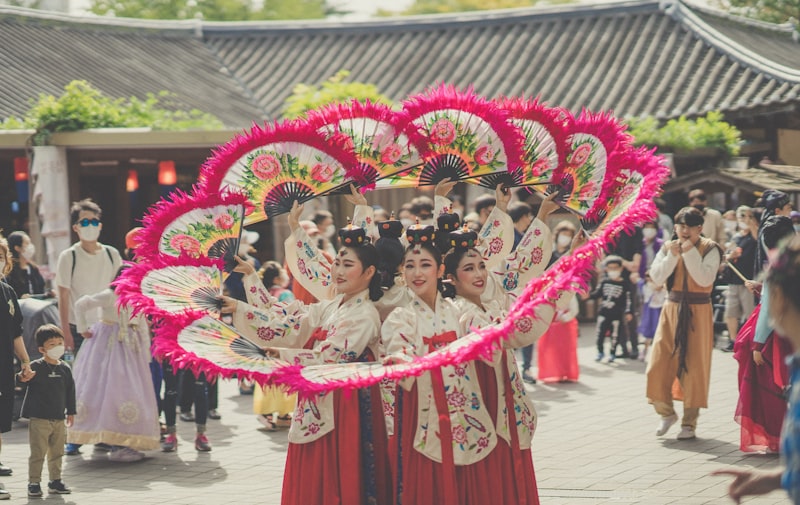
16th Gwangju Biennale 2026 Opening Soon — Theme: "Maps of Connection"
The 2026 Gwangju Biennale is set to open in September, featuring 120 artists from 35 countries under the theme "Maps of Connection."
Read more →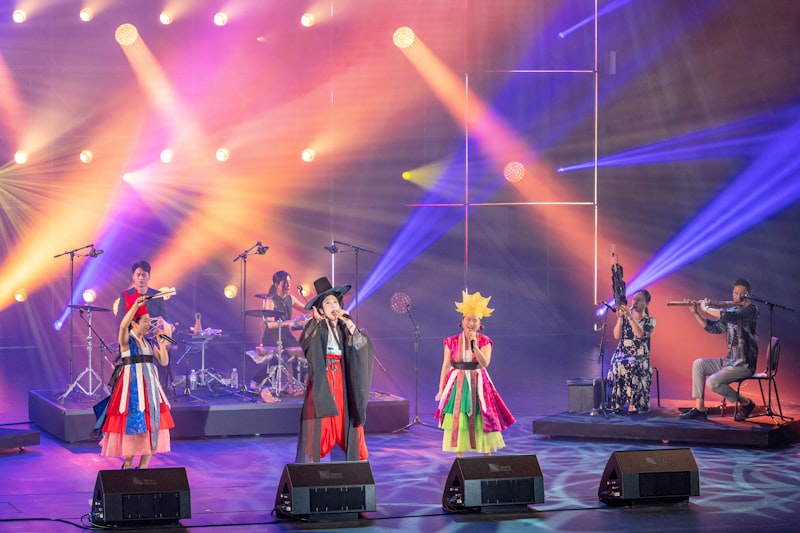
Gwangju Emerges as New Center of K-Culture Art Scene
Young artists are flocking to Gwangju around the ACC, establishing the city as a new K-art mecca. Yangnim-dong Art Village and Daein Market Night Fair are especially drawing attention.
Read more →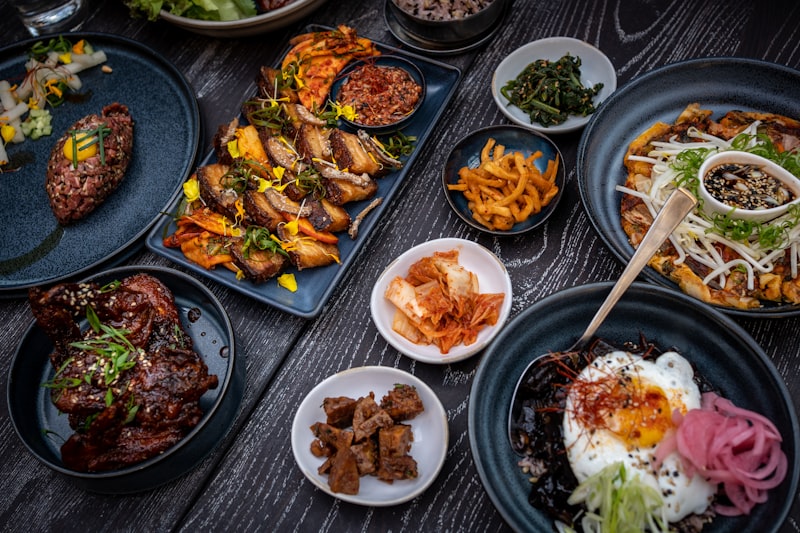
Gwangju Food Tourism Booming — Proving It's Korea's Best Food City
Food tourists visiting Gwangju have increased 35% year-over-year. Southern Korean cuisine like Songjeong tteokgalbi, duck stew, and Gwangju-style kimchi is hitting a new golden age as it meets global food trends.
Read more →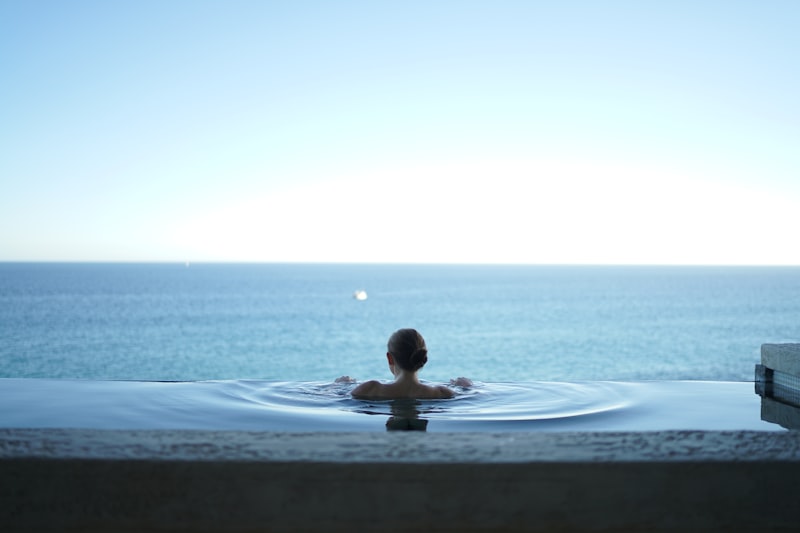
Gwangju Medical Tourism Growing — 30% More Affordable Than Seoul
Gwangju is gaining attention as an emerging medical tourism city. Its strengths include treatment prices 30% lower than Seoul, university hospital-level care, and rich tourism content.
Read more →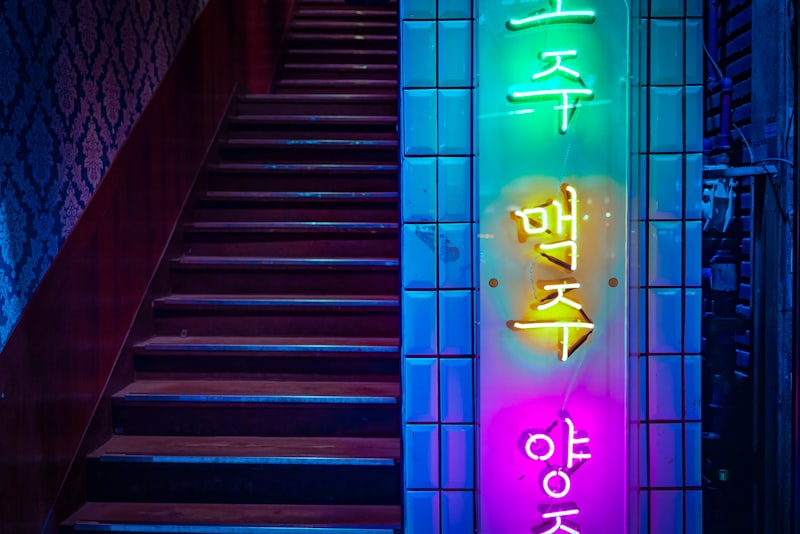
ACC Expands 2026 K-Culture Experience Programs
The ACC is significantly expanding K-culture experience programs for foreign tourists, adding hanbok design workshops, K-pop dance classes, and traditional craft experiences.
Read more →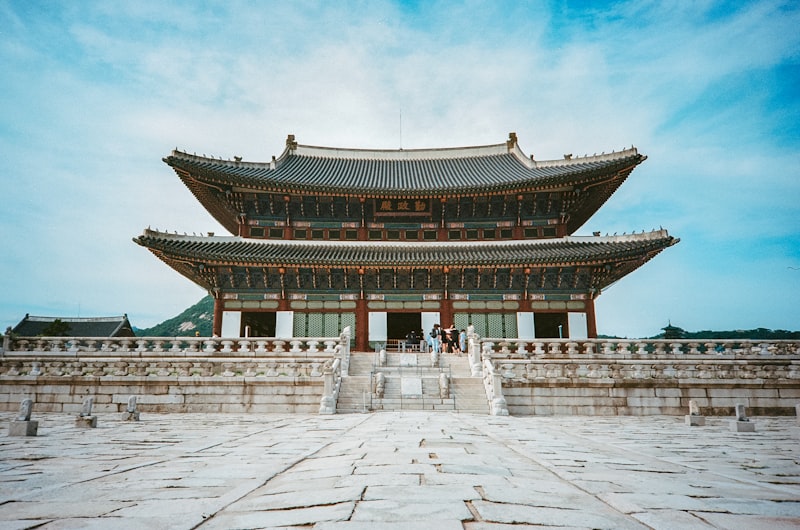
Gwangju Biennale 2026 Spring Preview — 35 Major Artists Unveiled
The spring preview exhibition for the Gwangju Biennale opening fall 2026 has begun. Works by 35 major artists from 35 countries are showcased at the Biennale Exhibition Hall, with the 'Healing and Body' theme connecting to medical tourism.
Read more →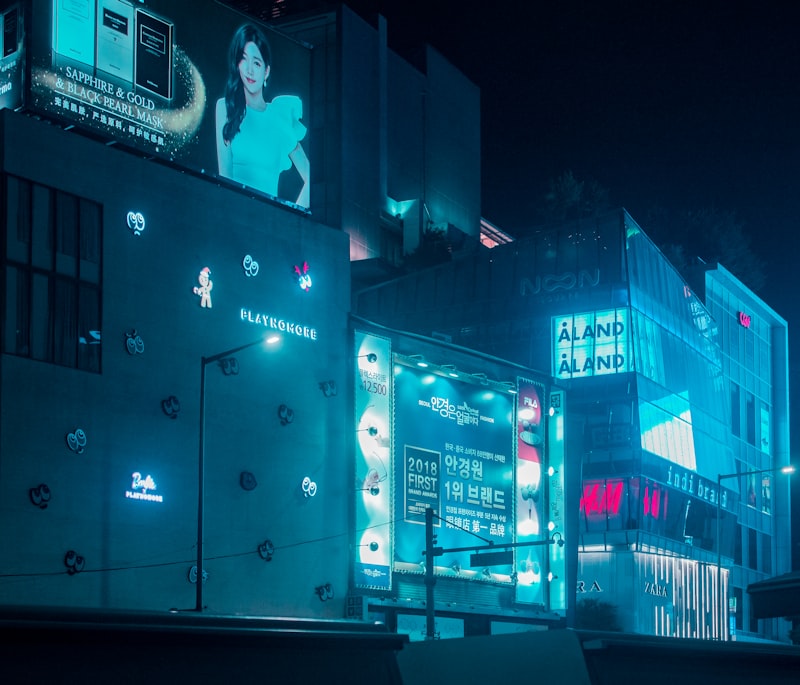
ACC K-Culture Special Exhibition 'Light of Asia' Opens
A large-scale special exhibition 'Light of Asia' highlighting K-culture's spread across Asia has opened at ACC. Experience the Asian influence of K-drama, K-pop, K-beauty, and K-food.
Read more →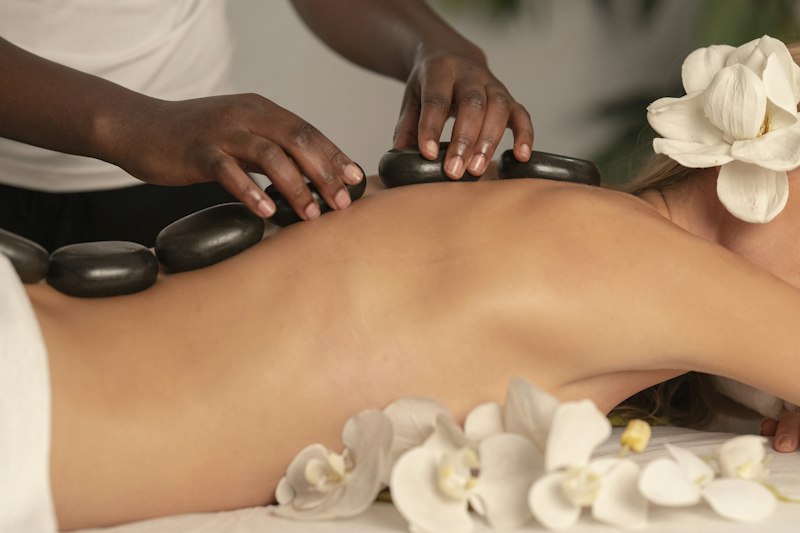
Gwangju Traditional Korean Medicine Healing Center Opens — Building a Base for Oriental Medical Tourism
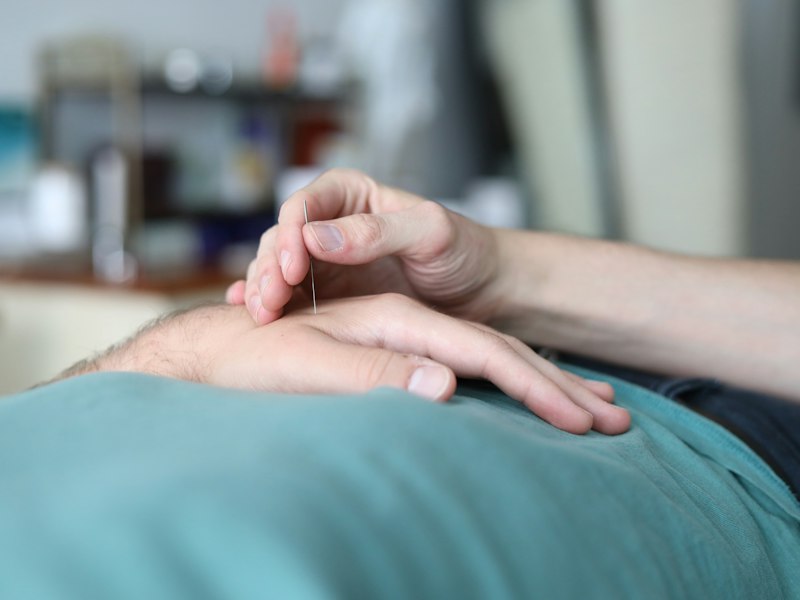
A Traditional Korean Medicine Healing Center has opened in Gwangju Dong-gu. Korean medicine consultations, herbal foot baths, and oriental aesthetic treatments are available in one place, with multilingual services for foreign patients.
Read more →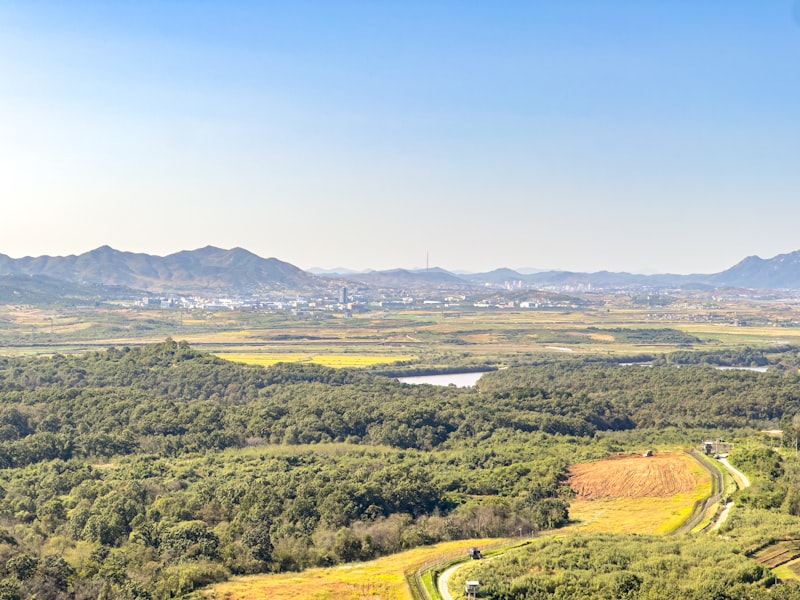
Mudeungsan Spring Hiking Season — Azaleas in Full Bloom & Healing Trekking Programs
Spring hiking season has begun at Mudeungsan National Park. April-May azaleas paint the entire mountain pink, with light healing trekking courses available for medical tourism patients.
Read more →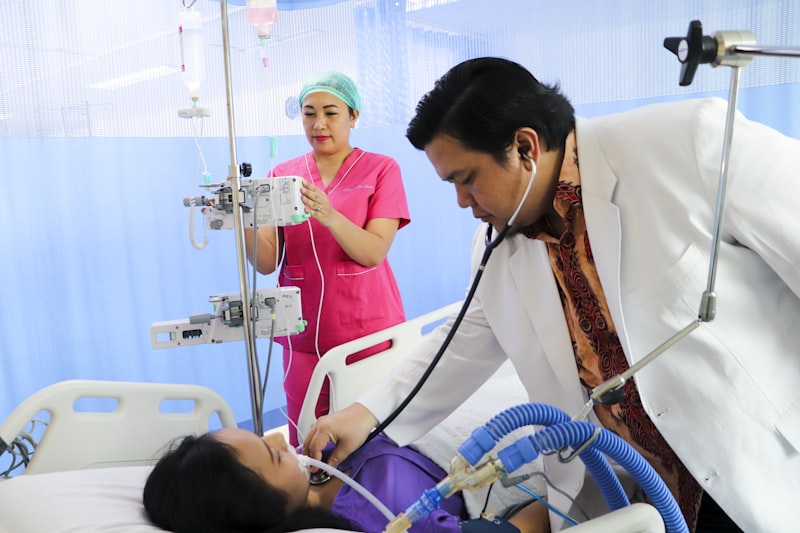
Gwangju Dong-gu Medical Tourism Street Development
Gwangju Dong-gu is developing a 1.5km "Medical Tourism Street" from Chungjanno to the Asia Culture Center (ACC). Medical facilities including dermatology, Korean medicine, and dental clinics along with wellness facilities will be concentrated along the route.
Read more →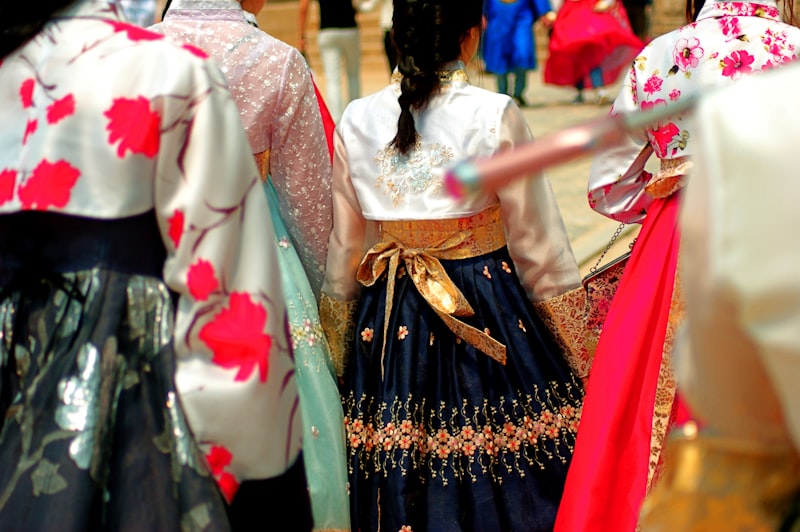
Gwangju Biennale + Wellness Package Launch
Ahead of the 2026 Gwangju Biennale, a special package combining Biennale viewing with wellness programs has been launched. Enjoy world-class contemporary art alongside Korean medicine spa, meditation, and health checkups.
Read more →
Gwangju AI Korean Medicine Diagnosis Center Opens
An AI-powered Korean medicine diagnosis center has opened in Dong-gu, Gwangju. AI assists pulse diagnosis, tongue diagnosis, and constitution analysis, offering over 95% accuracy in Korean medicine diagnoses for foreign patients.
Read more →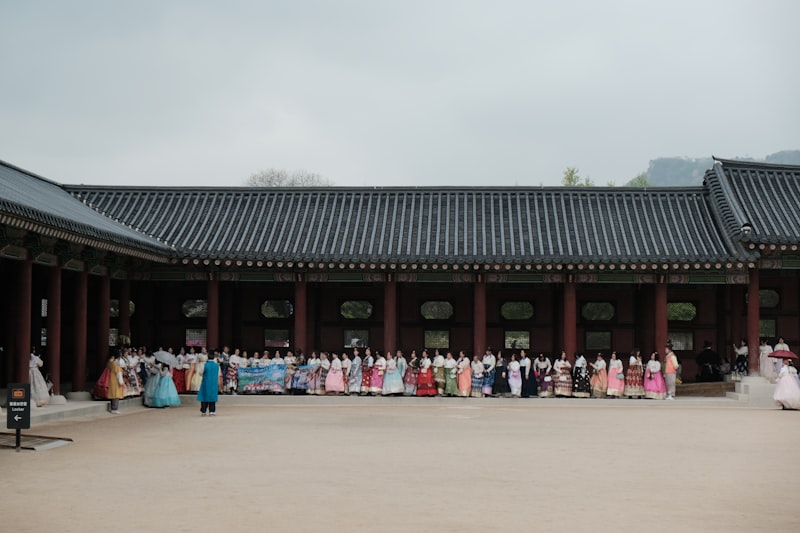
Yangnim-dong Art Village International Residency Program
Gwangju's Yangnim-dong Art Village launches an international artist residency program from May. 50 artists from 20 countries participate, and medical tourists can also join art workshops.
Read more →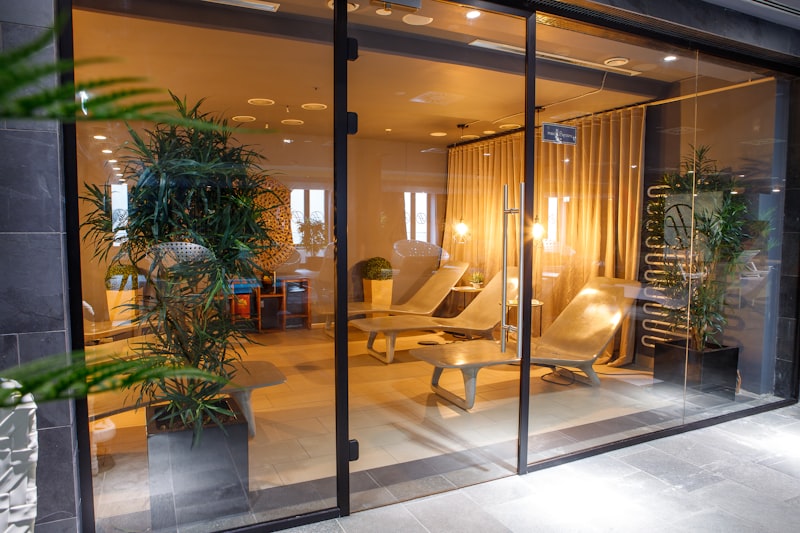
Mt. Mudeungsan Fresh Green Healing Trail Opens
Three healing trail courses tailored for medical tourists have opened in Mudeungsan National Park in May. Courses divided by difficulty, combined with forest therapy programs, are ideal for post-treatment recovery.
Read more →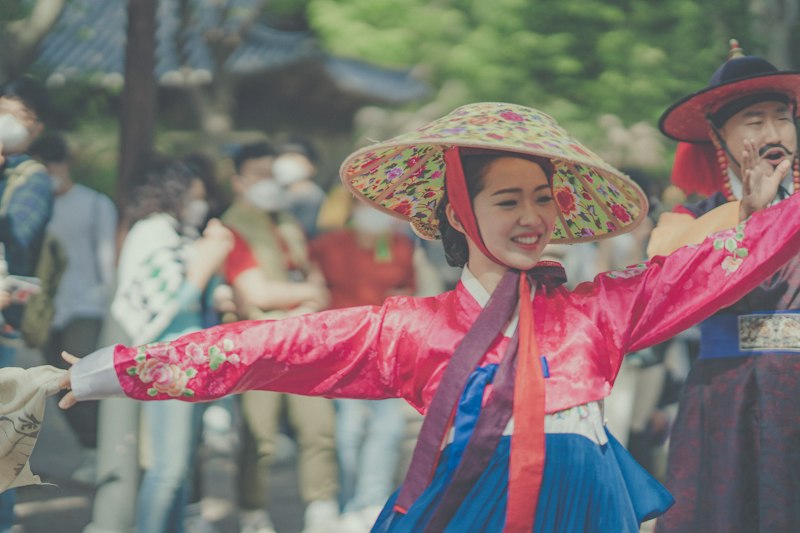
Gwangju World Kimchi Festival 2026 Preview
The 2026 Gwangju World Kimchi Festival holds a May preview event ahead of its October launch. Kimchi-making experiences, K-food classes, and fermentation science seminars are featured, with special invitations for medical tourists.
Read more →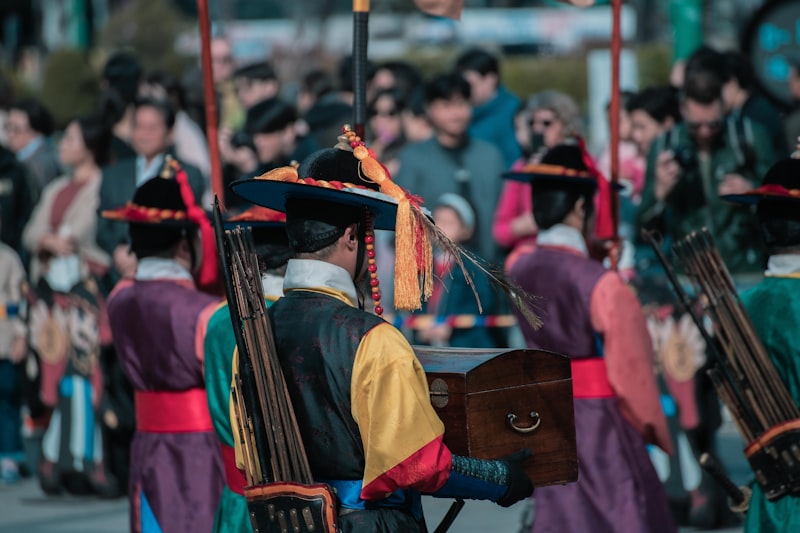
Gwangju Summer Media Art Festival
A large-scale media art festival runs at ACC (Asia Culture Center) from June 5 to August 31, featuring immersive digital art, interactive installations, and night projection mapping.
Read more →
Gwangju-Jeonnam Medical Tourism Council Launched
Gwangju Metropolitan City and Jeollanam-do jointly launched an official medical tourism council on June 12, with 50 hospitals and tourism companies creating a one-stop medical tourism service system.
Read more →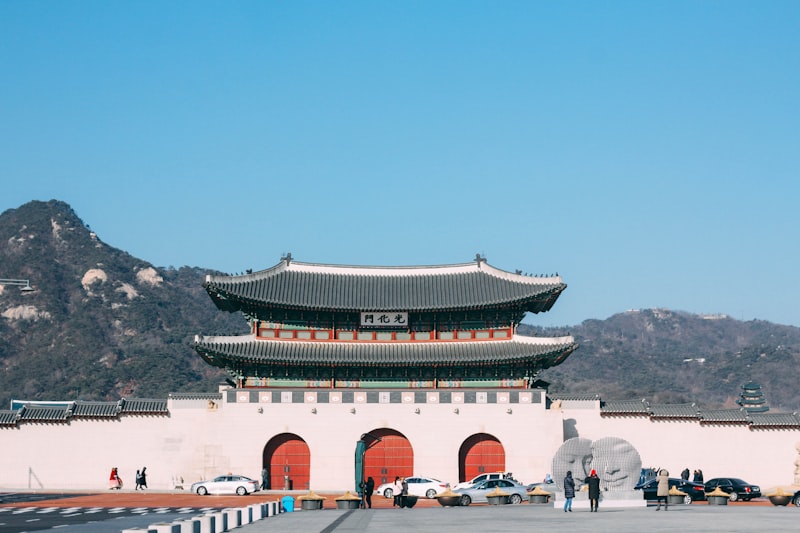
Mudeungsan Summer Night Trekking Opens
Mudeungsan National Park opens summer-limited night trekking courses from June 20, offering special programs to walk under the stars and enjoy Gwangju's night views.
Read more →
Gwangju Korean Herbal Beauty Expo 2026
The Korean Herbal Beauty Expo is held at Gwangju Kim Dae-jung Convention Center June 28-30, featuring herbal cosmetics, traditional skincare, K-beauty trends, and free skin consultations for medical tourists.
Read more →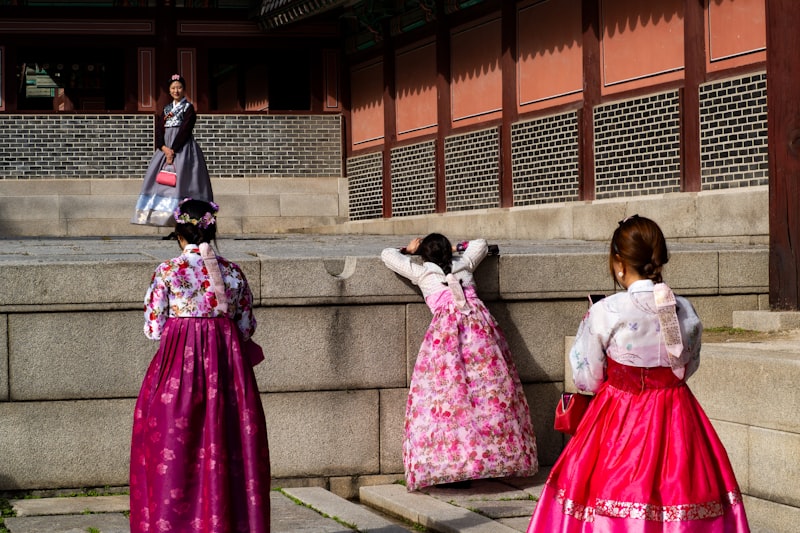
Gwangju Summer Media Art Night at Asia Culture Center
The ACC hosts a month-long "Summer Media Art Night" special exhibition in July. 30 media artist teams from 15 countries transform the ACC building exterior and plaza into canvases of light and sound.
Read more →
Gwangju Korean Medicine Summer Tonic Food Festival
Gwangju's traditional Korean medicine tonic food festival runs July 12-14 at Yangdong Market. Combining samgyetang, eel soup, and traditional tonic dishes with Korean medicine experiences, including free consultations for medical tourists.
Read more →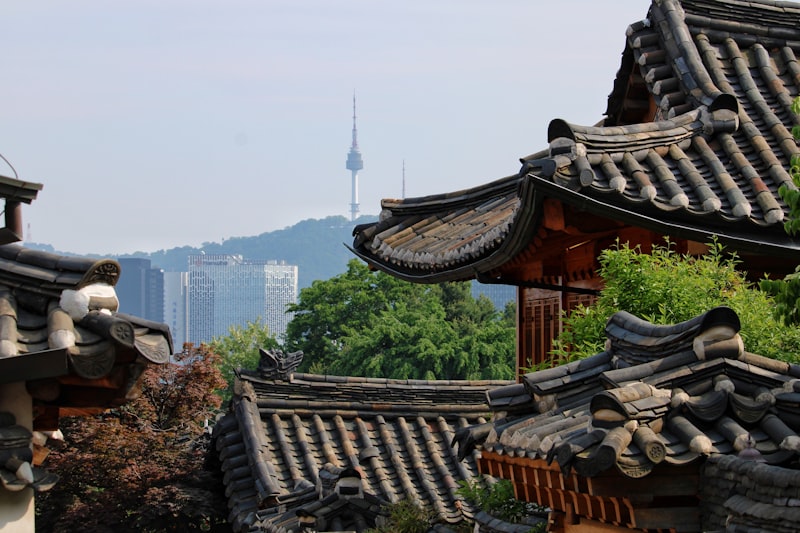
Mudeungsan Summer Valley Trekking Opens
Mudeungsan National Park officially opens summer valley trekking courses from July. Three courses (beginner/intermediate/advanced) feature crystal-clear streams and lush forests, with guided programs for international visitors.
Read more →
Gwangju Medical Tourism Inbound Up 35% Year-over-Year
Gwangju announced H1 2026 medical tourism statistics showing a 35% year-over-year increase to record highs, with notable growth from Southeast Asia, Russia, and Mongolia.
Read more →🍽️ Food Guide
Gwangju Food
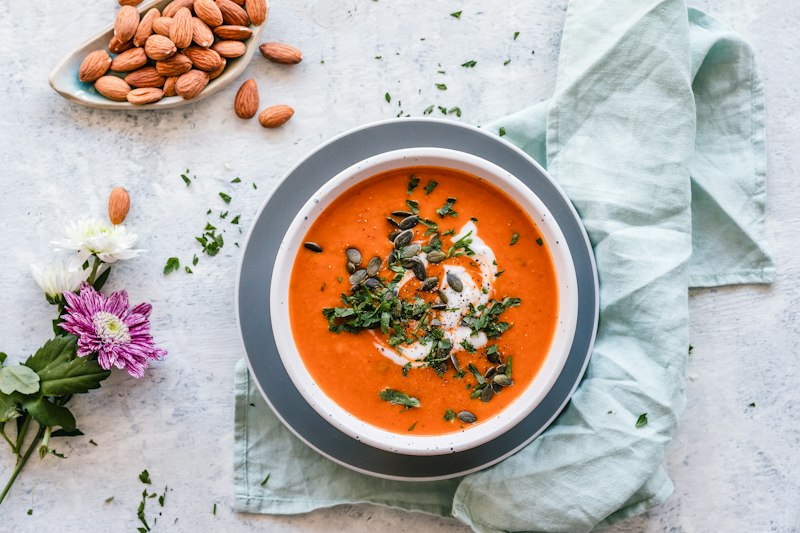
Gwangju Duck Stew (Naju Gomtang Street)
Duck stew is the signature health dish of the Gwangju-Naju region. Slow-simmered with perilla seeds and medicinal herbs, it's also ideal as a recovery meal after treatments. Try Naju gomtang (beef bone soup) too.
⭐ Must-Try
Perilla duck stew + Naju beef bone soup
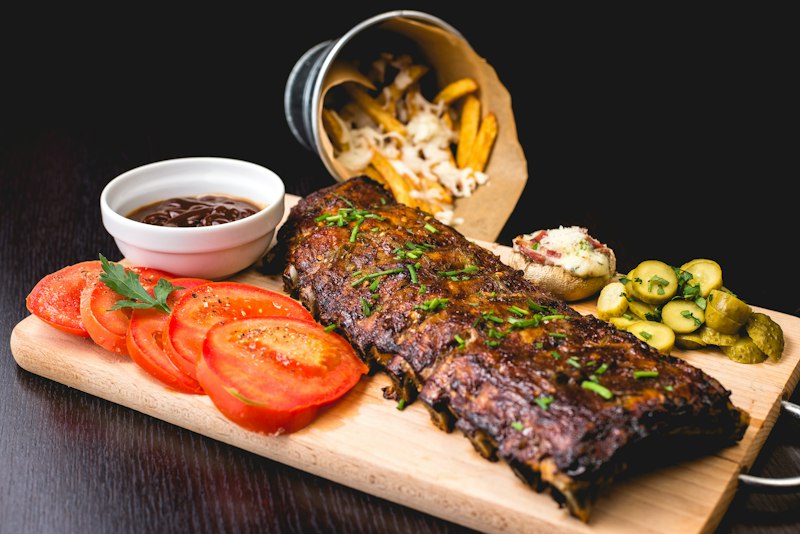
Songjeong Tteokgalbi
Famous tteokgalbi restaurants near Songjeong Market. Minced beef and pork seasoned and grilled over charcoal — the sweet, chewy texture is extraordinary. One of Gwangju's top 3 signature dishes.
⭐ Must-Try
Charcoal-grilled tteokgalbi set meal
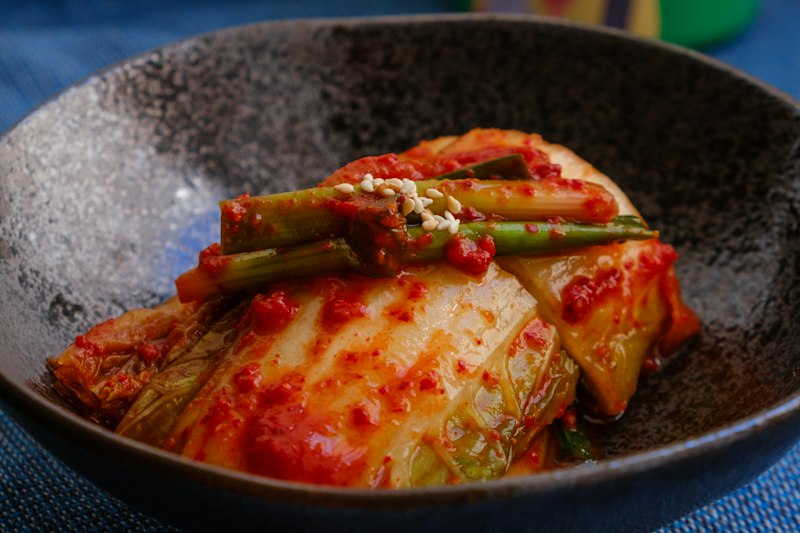
Gwangju-style Kimchi
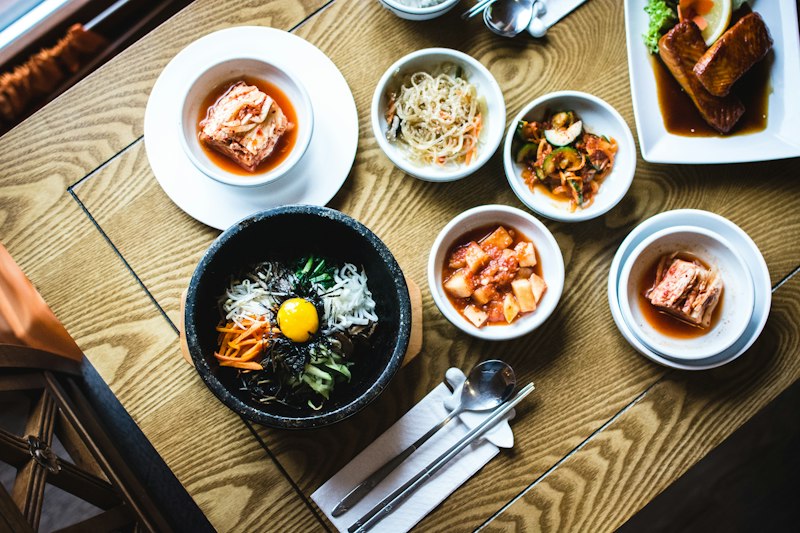
Jeolla-do kimchi is widely regarded as the best in Korea. Rich in fermented seafood and deep in umami, Gwangju-style kimchi can be savored at Yangdong Market or traditional hanjeongsik restaurants.
⭐ Must-Try
Jeolla-do hanjeongsik (with kimchi)
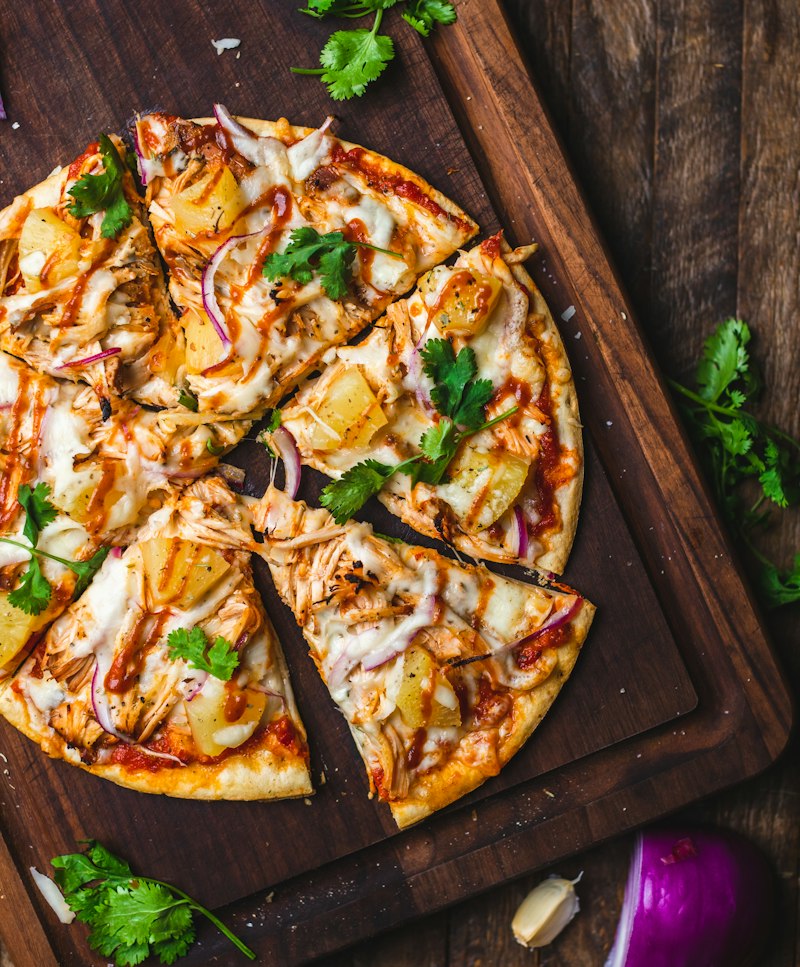
Yukjeon (Beef Pancake)
Thinly sliced beef coated in egg and pan-fried — Gwangju's iconic drinking snack. Perfect with makgeolli, it offers a distinctly Southern Korean charm different from Seoul-style pancakes.
⭐ Must-Try
Yukjeon + pajeon + makgeolli set
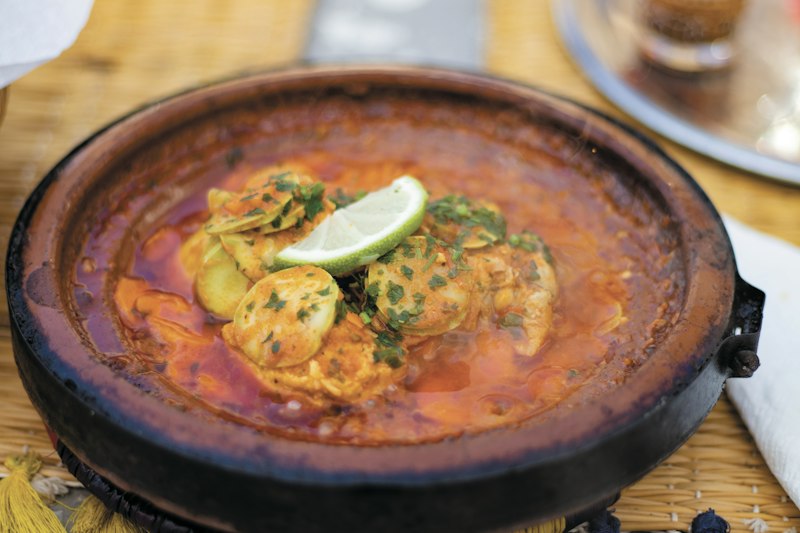
Yangdong Market Food Hall
Yangdong Market is a treasure trove of Southern Korean food. Enjoy Jeolla-do specialties like stir-fried octopus, cockle bibimbap, and fermented skate at affordable prices in small market eateries.
⭐ Must-Try
Cockle bibimbap + stir-fried baby octopus
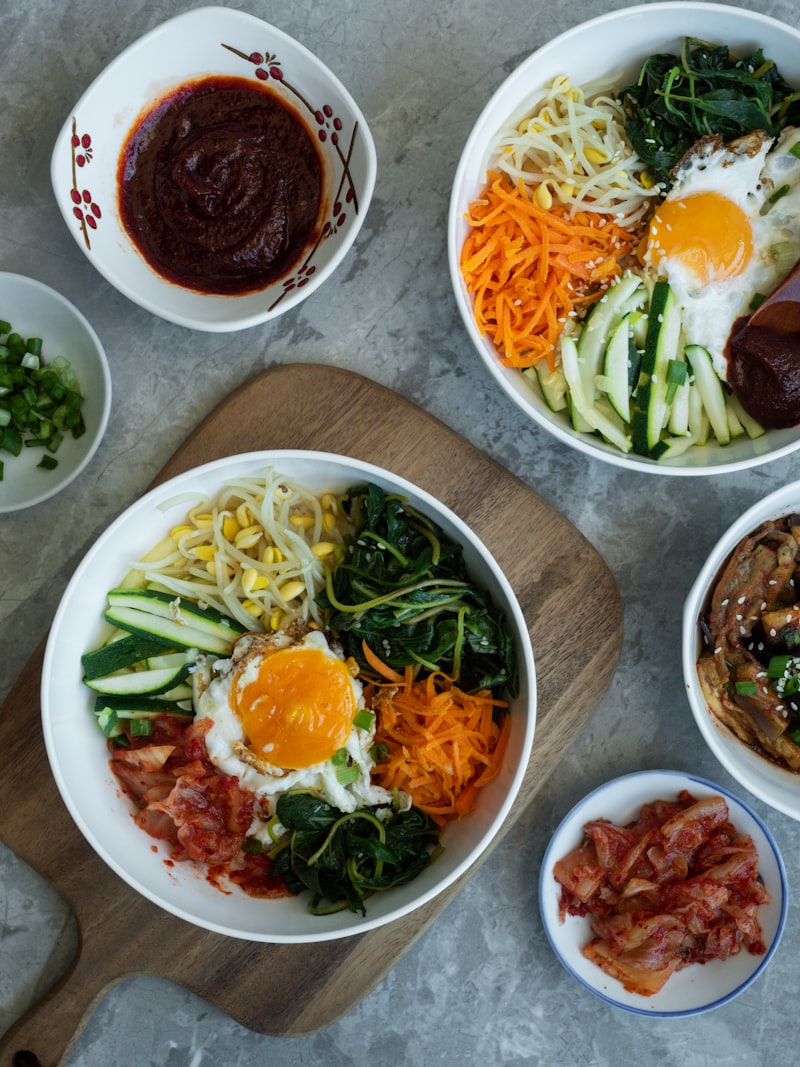
Mudeungsan Barley Rice
Healthy barley rice set meals at restaurants along the foot of Mudeungsan. Fresh barley rice with over 10 wild herb side dishes and doenjang stew — the perfect recovery meal after treatments. The harmony of fresh mountain herbs and nutty barley is exquisite.
⭐ Must-Try
Wild herb barley rice set + perilla seed sujebi
Songjeong Tteokgalbi
A street of famous tteokgalbi restaurants near Songjeong 5-day market. Finely minced beef and pork seasoned and charcoal-grilled — the sweet, chewy texture makes it one of Gwangju's top 3 foods. Order the set meal for a lavish spread with various side dishes.
⭐ Must-Try
Charcoal-grilled tteokgalbi set meal
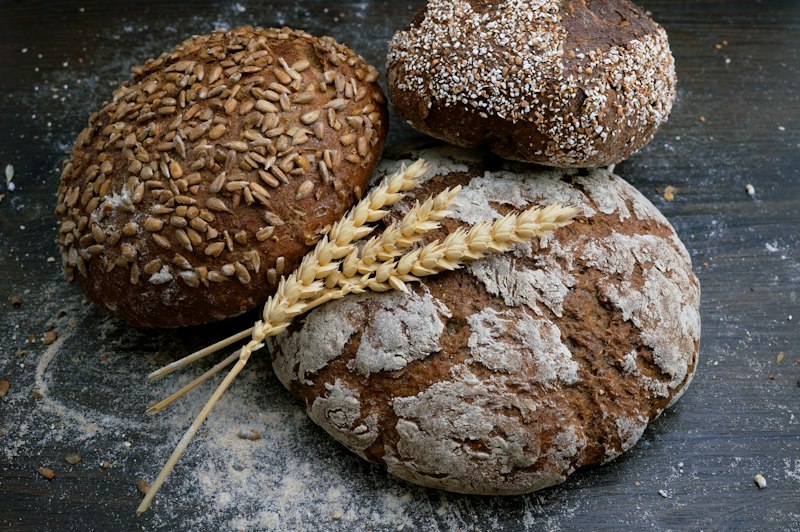
Gungjeon Bakery Dinosaur Bread
The iconic dinosaur bread from Gungjeon Bakery, Gwangju's representative bakery. Loved by Gwangju citizens since the 1970s, the signature dinosaur-shaped cream bread went viral on social media and became famous nationwide. The crispy exterior and smooth cream filling are irresistible.
⭐ Must-Try
Dinosaur bread + cream cheese cake
Gwangju Duck Soup Restaurant
Gwangju's beloved restorative duck soup is a nutritious traditional stew with duck slow-cooked with medicinal herbs. Gwangju-style duck soup is characterized by its savory, clean taste with perilla seeds and chives. Popular as a summer health food, it's recommended for medical tourists as a nourishing meal for post-treatment energy recovery.
⭐ Must-Try
Perilla duck soup + grilled duck bulgogi set
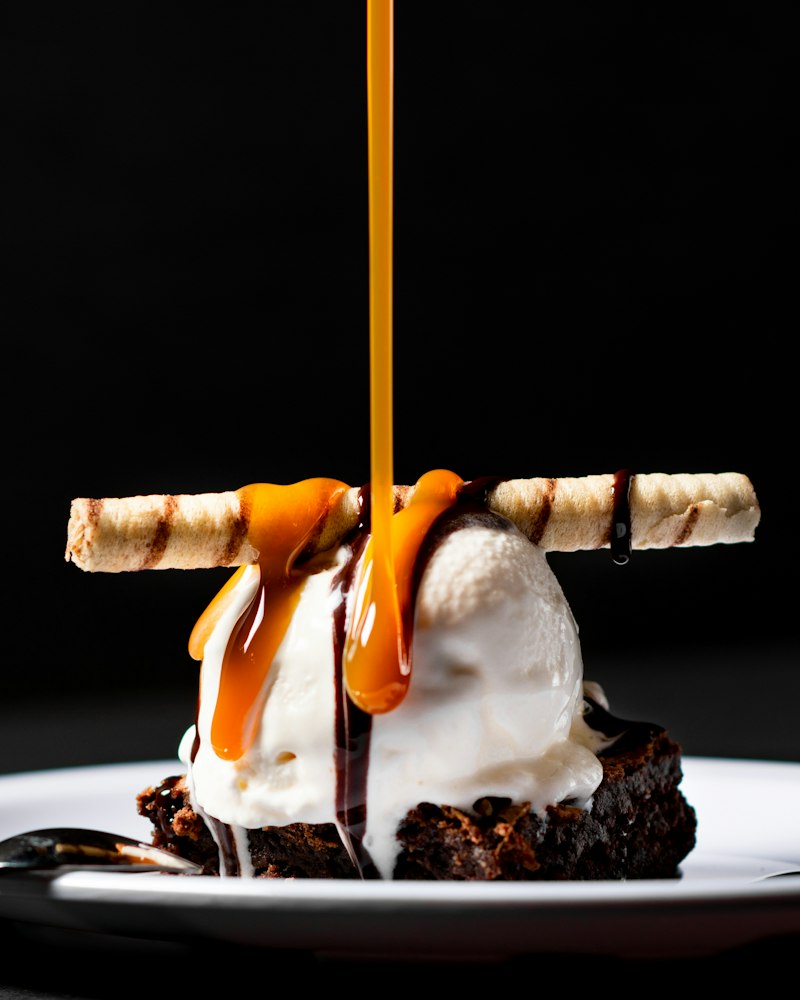
Chungjang-ro Bungeo-ppang Alley
The bungeo-ppang (fish-shaped pastry) alley on Chungjang-ro, Gwangju's main shopping street, is a special snack street operating year-round, not just in winter. Enjoy various flavors from traditional red bean to custard cream, pizza, and chocolate. Warm bungeo-ppang while strolling the street brings simple joy.
⭐ Must-Try
Red bean bungeo-ppang + custard cream bungeo-ppang set
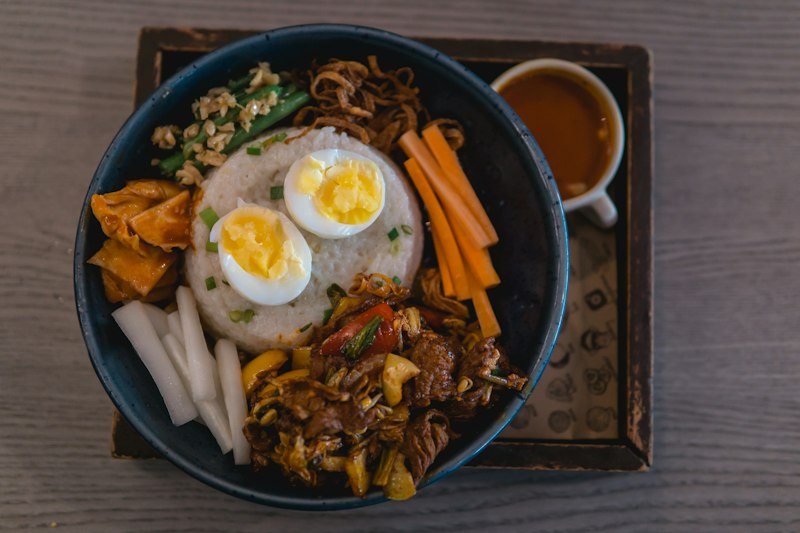
Yangdong Market Bibimbap
Bibimbap at Yangdong Market, Gwangju's largest traditional market, embodies the essence of Namdo cuisine. Mixed with various wild greens, gochujang, and sesame oil, the market bibimbap stands out for its ingredient freshness and loving preparation. Raw beef bibimbap and bean sprout soup rice are also signature dishes, offering hearty meals at reasonable prices.
⭐ Must-Try
Raw beef bibimbap + bean sprout soup

Gwangju Hanjeongsik "Namdo Hansang"
Gwangju hanjeongsik represents the essence of Namdo cuisine. A lavish spread of 20-30 side dishes harmonizes seasonal ingredients with traditional fermentation techniques. Renowned hanjeongsik restaurants in Dong-gu and Nam-gu offer the ultimate Korean dining experience, perfect for post-treatment nutrition and cultural immersion.
⭐ Must-Try
Namdo Hansang course (20-dish table)
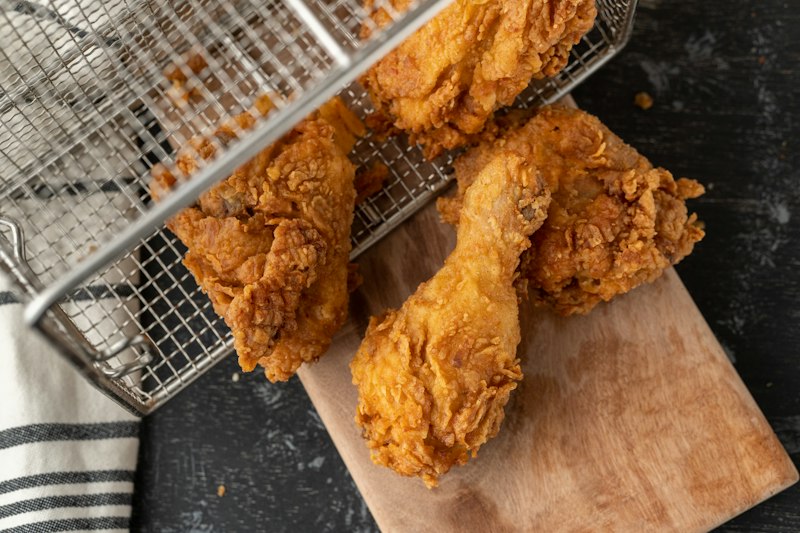
Sangmu District Chicken Street
Sangmu District in Gwangju's Seo-gu features a dense cluster of chicken franchises and local fried chicken shops. Korean fried chicken with crispy batter and sweet-spicy or soy-garlic sauce, enjoyed with beer, represents Korean late-night food culture. Gwangju chicken is considered better and cheaper than Seoul.
⭐ Must-Try
Seasoned fried chicken + pickled radish + draft beer
Yangdong Market Yukjeon (Meat Pancake)
Yangdong Market's famous yukjeon is thinly sliced beef coated in egg batter and pan-fried — a traditional delicacy. Enjoyed Gwangju-style with makgeolli rice wine, the savory freshly-cooked yukjeon from market stalls is exceptional. At ₩3,000-5,000, it offers an authentic Korean market experience at bargain prices.
⭐ Must-Try
Yukjeon + green onion pancake + makgeolli set
Gwangju Boribap (Barley Rice) Street
Located at the foot of Mudeungsan, Boribap Street features 30+ year-old restaurants specializing in barley rice. A healthy meal of freshly cooked barley rice with doenjang soup and 10+ vegetable side dishes, using homemade doenjang and seasonal greens. Perfect healthy summer food and recommended for medical tourists seeking light post-treatment meals.
⭐ Must-Try
Boribap set meal + doenjang jjigae
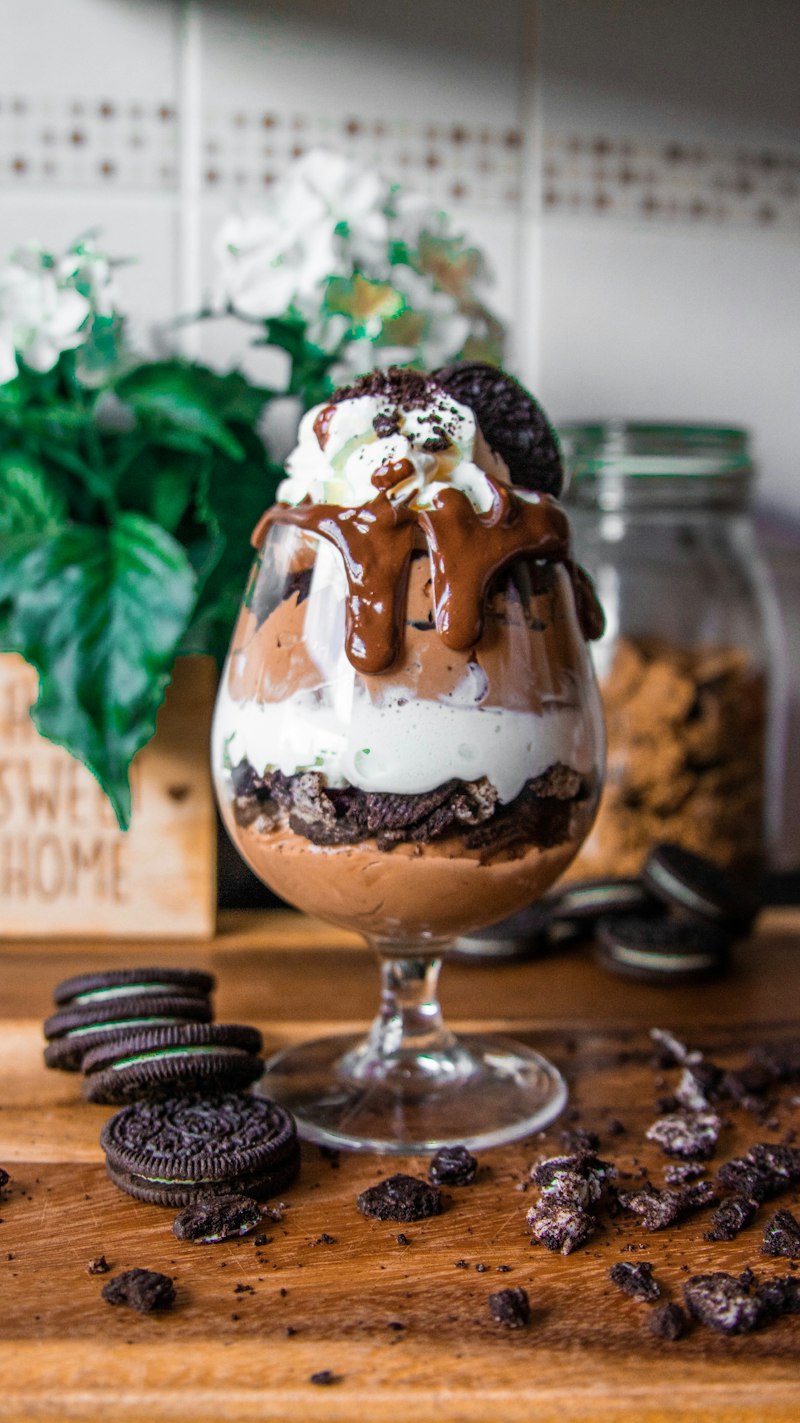
Sangmu District Summer Bingsu Cafe
Sangmu District's cafe street features dessert cafes famous for elaborate bingsu (shaved ice) menus in summer. Signature premium bingsu is topped with Jeonnam-specialty peaches, watermelon, and mango. From classic pat-bingsu to refreshing fruit varieties. Air-conditioned stylish interiors perfect for escaping heat, also suitable for patients wanting soft foods after procedures.
⭐ Must-Try
Peach bingsu + injeolmi (rice cake) bingsu
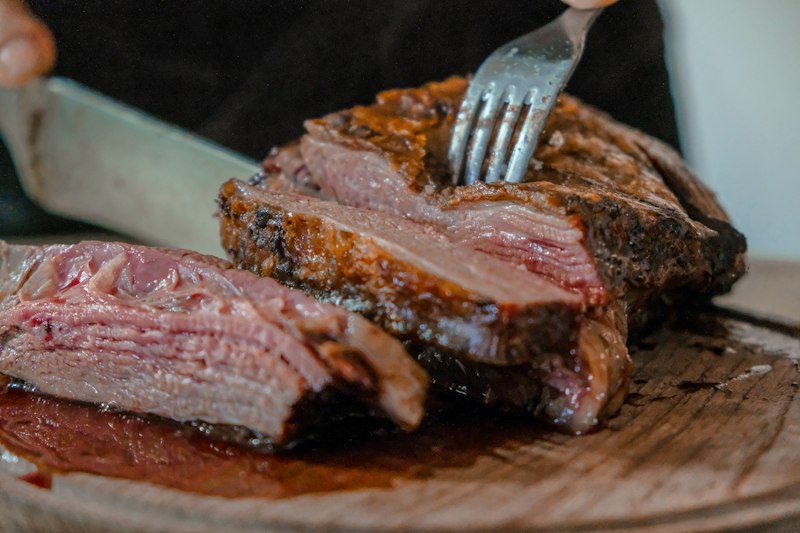
Songjeong Station Original Tteokgalbi
A 50-year-old original tteokgalbi (grilled minced rib patty) restaurant in front of Songjeong Station. Finely minced beef and pork seasoned and grilled over charcoal creates a melt-in-your-mouth tenderness. Gwangju-style tteokgalbi with sweet soy sauce and sesame oil is nationally famous — the first stop for tourists arriving by KTX. Soft enough to eat comfortably after medical procedures.
⭐ Must-Try
Tteokgalbi set meal + doenjang jjigae
🌸 Seasonal Guide
Best Time to Visit
September–November (Biennale season + Mudeungsan foliage) is the most recommended period, and April–May spring is also beautiful with azaleas and cherry blossoms. Food tourism is great year-round, but winter health dishes are especially appealing.
Spring Azaleas and Cherry Blossoms on Mudeungsan
April–May brings azaleas blooming on Mudeungsan and cherry blossoms throughout the city. The ACC outdoor plaza spring festival and Yangnim-dong strolls are especially delightful.
- •Mudeungsan azalea trekking
- •ACC spring festival
- •Yangnim-dong cherry blossom walk
- •Soswaewon spring garden viewing
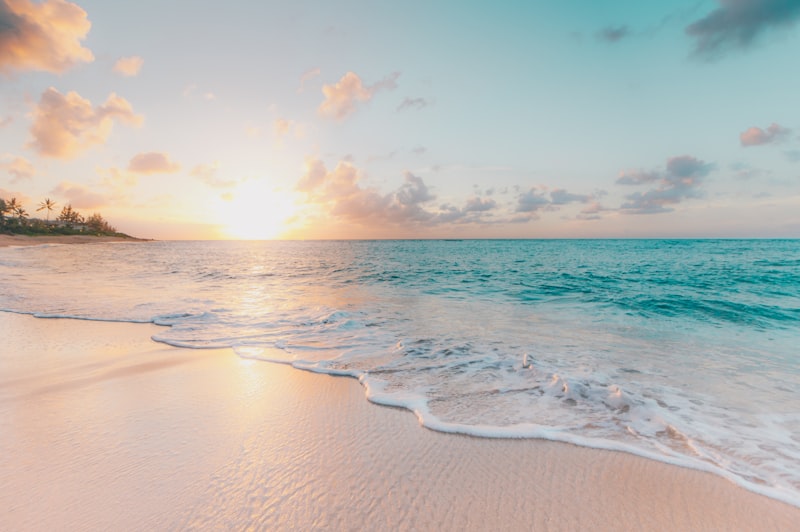
Summer Health Food and Valley Retreats
Beat the summer heat with health food like duck stew and samgyetang, then cool off at Mudeungsan valleys or Damyang's Juknokwon Bamboo Forest.
- •Mudeungsan valley retreat
- •Damyang Bamboo Forest walk
- •Health food restaurant tour
- •ACC summer special exhibition
Biennale and Mudeungsan Autumn Foliage
Even-numbered year autumns are Biennale season! Enjoy world-class contemporary art alongside Mudeungsan's spectacular fall foliage and the beauty of southern autumn.
- •Gwangju Biennale viewing
- •Mudeungsan autumn foliage hike
- •Yangdong Market fall food
- •Soswaewon autumn garden
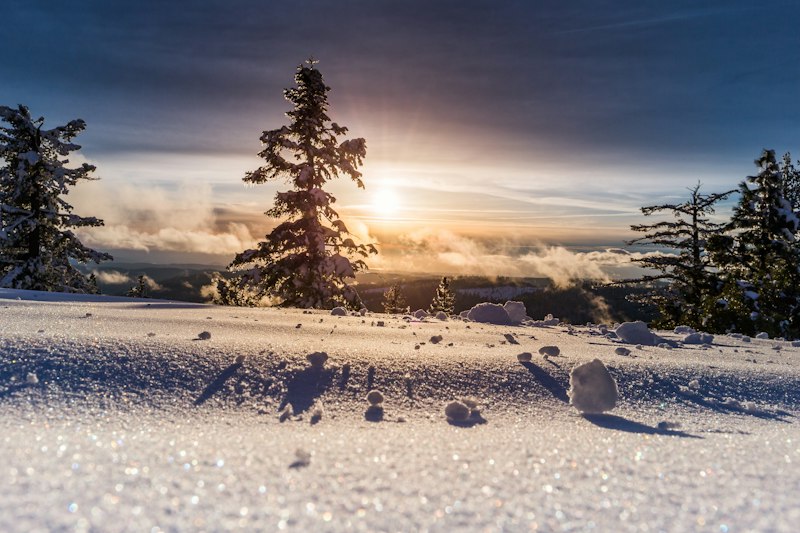
Winter Gastronomy and Cultural Experiences
Winter in Gwangju is perfect for warming up with duck stew and hanjeongsik, then enjoying ACC indoor exhibitions and Yangnim-dong café tours.
- •Gwangju hanjeongsik food tour
- •ACC winter special exhibition
- •Yangnim-dong café tour
- •Mudeungsan winter snow scenery
💡 Travel Tips
Gwangju — Travel Tips
Visit During Biennale Season
The Gwangju Biennale is held September–November in even-numbered years. Visiting during this period lets you enjoy world-class contemporary art plus side events and festivals. 2026 is a Biennale year!
Reserve Hanjeongsik in Advance
Popular hanjeongsik restaurants in Gwangju typically require 1–2 hours waiting without a reservation. Weekend reservations are essential — use Naver Booking or call ahead.
KTX + City Bus Is the Best Combo
KTX from Seoul to Gwangju takes about 1.5 hours. Gwangju's city bus network is well-developed, making KTX + city bus the most efficient combo. Get a T-money card in advance.
Use Treatment + Tourism Package Deals
Gwangju medical tourism is more affordable than Seoul. Combine your treatment with packages that include Mudeungsan healing, ACC cultural experiences, and southern cuisine tours for a fulfilling trip.
SIM Card & Wi-Fi
Rent a SIM or pocket Wi-Fi at Incheon/Gimpo Airport. Free public Wi-Fi is available in subways, cafés, and public areas nationwide — arranging a travel SIM before arrival is the easiest option.
Buy a travel SIMGetting Around
KTX from Seoul takes about 1.5 hours (Yongsan/Seoul Station to Gwangju-Songjeong Station). Metro Line 1 connects Gwangju-Songjeong Station to downtown. City buses are the most convenient for local travel — use a T-money card. From Incheon Airport, take the airport bus (about 4 hours) or KTX via Seoul Station transfer.
🏥 Hospitals in This Region
Gwangju




📍 Nearby Regions
Nearby Regions

Start Medical Tourism in This Region
Experience the charm of Korea alongside world-class medical services
Gwangju — 10 hospitals available