
Jeju Island — A Healing Paradise Where Nature Meets Wellness
Jeju Island
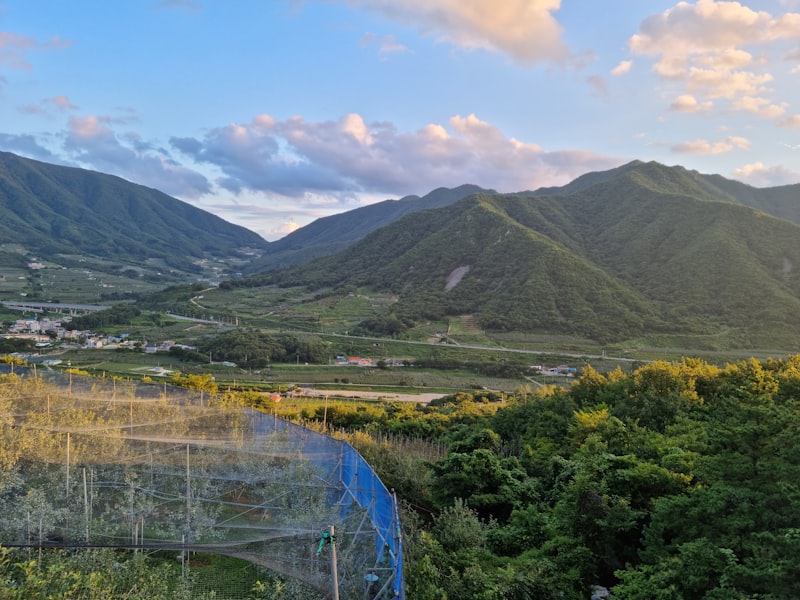
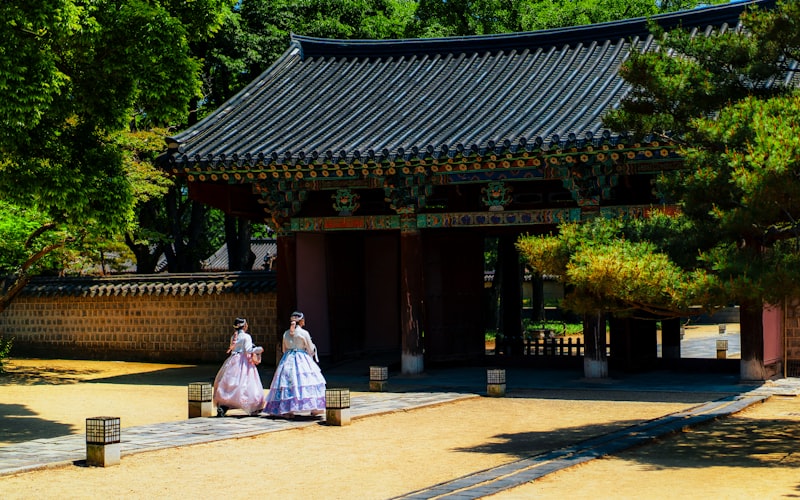
Jeju Island is South Korea's largest volcanic island and a UNESCO World Natural Heritage site, home to extraordinary landscapes including Hallasan National Park, Manjanggul Lava Tube, and Seongsan Ilchulbong Peak. The island's unique Haenyeo (female free-divers) culture is inscribed on UNESCO's Intangible Cultural Heritage list, drawing worldwide attention to centuries-old traditions of women divers. Jeju is also a beloved filming location for K-dramas and movies, and with the Demon Hunters Oscar win sparking a massive Korean cultural tourism boom, the island stands at the epicenter of global interest in Korean heritage. In recent years, Jeju has rapidly emerged as a new hub for medical and wellness tourism. Medical wellness resorts combining dermatology, traditional Korean medicine, and healing programs amid pristine natural surroundings are on the rise. With expanding direct flight connections from across Asia, accessibility has dramatically improved. Blending healing nature, premium medical services, and rich cultural experiences, Jeju is the ideal destination for global travelers seeking both health and adventure.
Tourism & K-Culture
Top Attractions
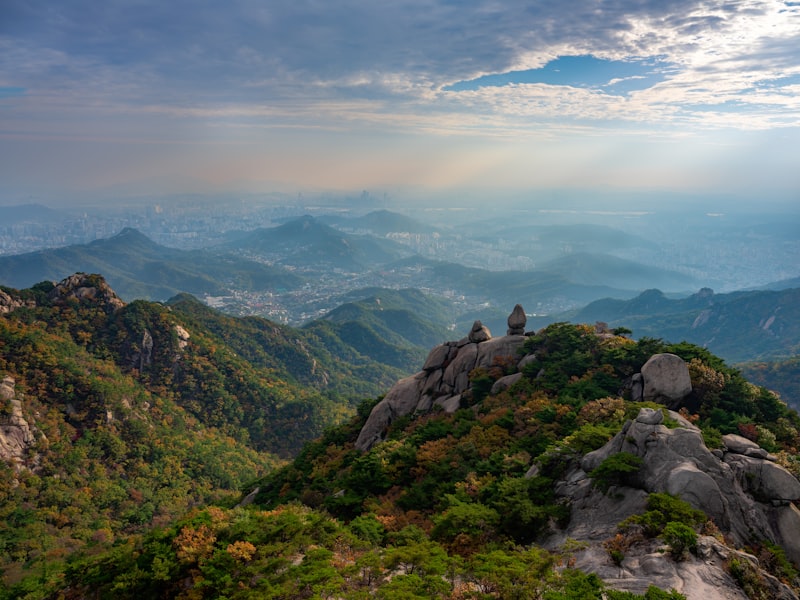
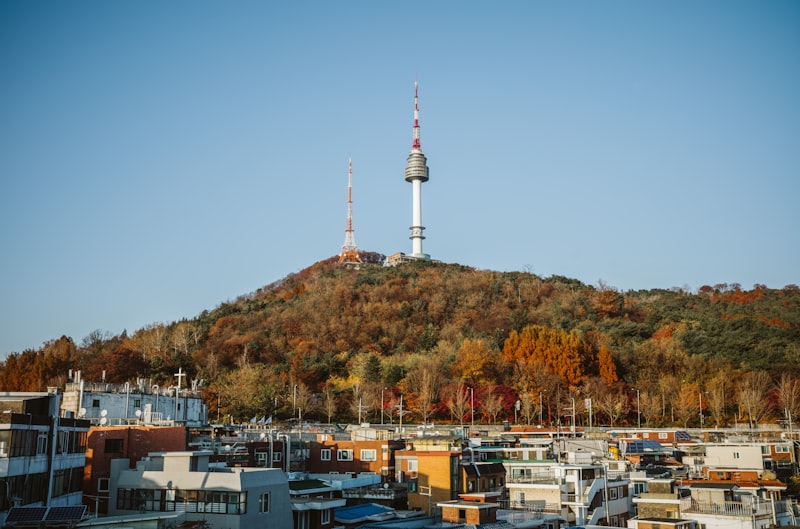
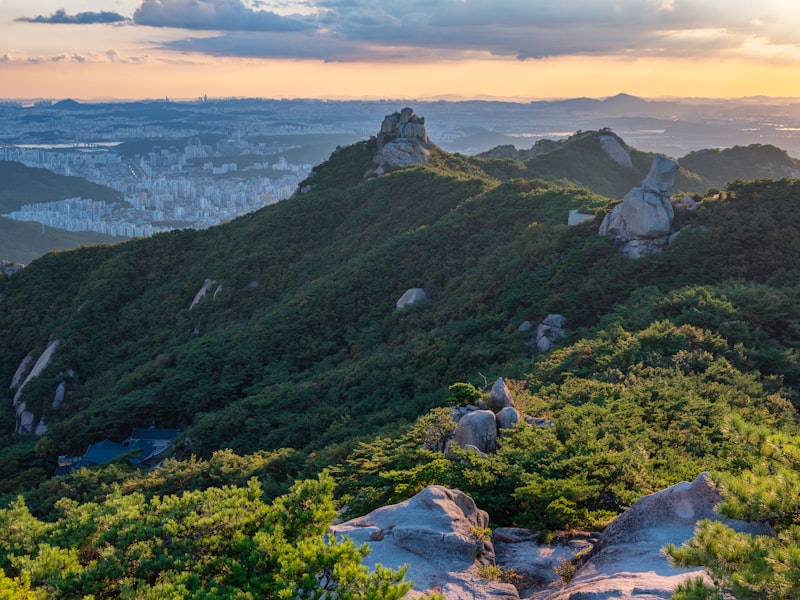
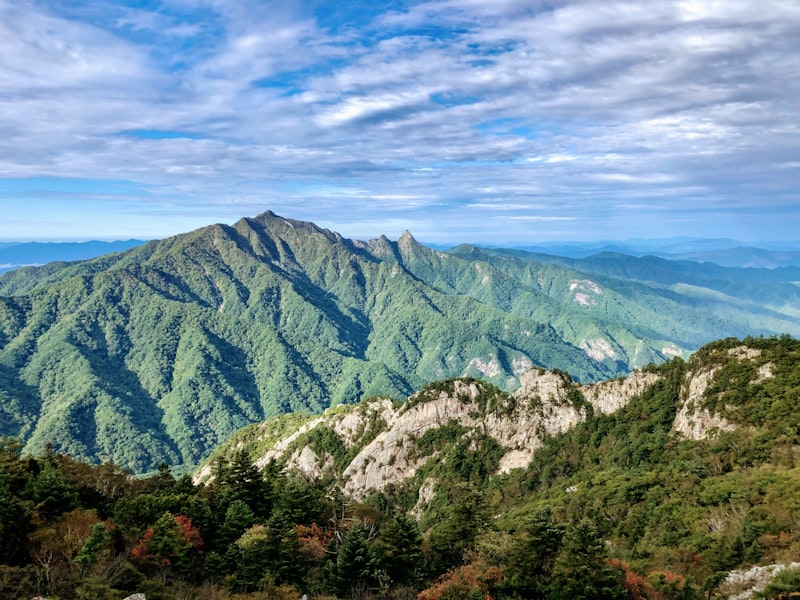
Jeju Loveland
A unique outdoor sculpture park themed around love and sexuality, featuring over 140 artworks created by more than 20 artists. Filled with humorous and artistic pieces, this adults-only (19+) attraction offers a uniquely liberating Jeju experience unlike any other destination.
Hyeopjae Beach & Biyangdo Island
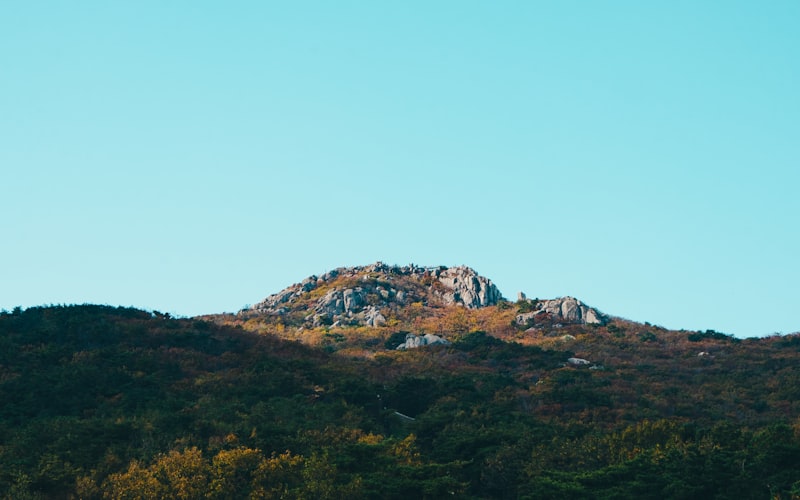
Jeju's most stunning beach featuring emerald waters and silver sand. With Biyangdo Island silhouetted in the distance and adjacent Hallim Park, it's perfect for a full day out. An ideal healing beach for post-treatment walks in fresh ocean breezes.
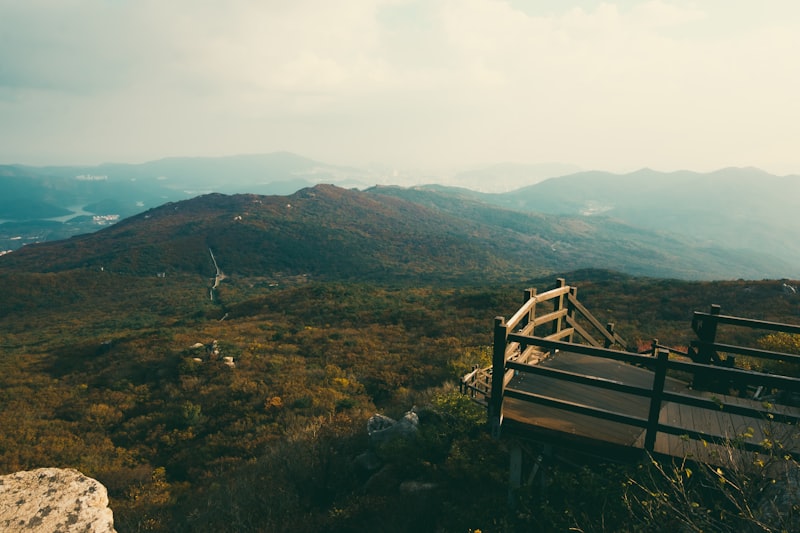
Camellia Hill
Asia's largest camellia arboretum with over 6,000 camellia trees. Red camellia flowers bloom from winter through early spring, and the beautiful gardens are enjoyable year-round. Famous as a K-drama filming location, it's a perfect healing spot for quiet flower-path walks after treatment.
Latest K-Culture & Tourism News
K-Culture & Tourism

Autumn in Jeju: Silvergrass and Oreum Trekking Season Meets Traditional Wellness Recovery Programs
As autumn arrives in Jeju, the trekking season for silvergrass-covered oreum is beginning, and more visitors are pairing it with hanbang and wellness programs for recovery after health checkups or skin treatments. With the Chuseok holiday (September 24-26) approaching, flights and accommodations are expected to fill up early, so travelers should book ahead.
MediQueen Jeju Medical Tourism — Expanded Summer "Healing + Treatment" Packages Combining Resort Stay, Wellness and Health Checkups
For the July 2026 summer peak, MediQueen is expanding "Healing + Treatment" packages on Jeju that combine resort stays, wellness and health checkups, while strengthening multilingual support for Chinese and Southeast Asian patients.
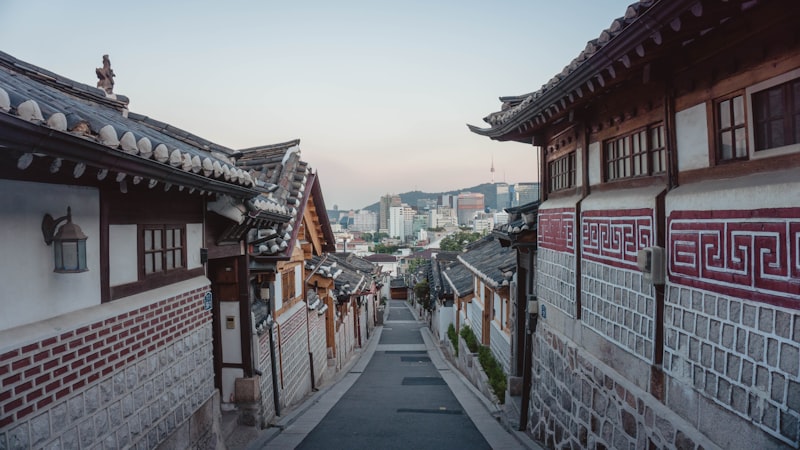
Jeju Summer Local Guide — Emerald Beaches of Hyeopjae and Hamdeok, Seongsan Ilchulbong and Udo, Plus Black Pork and Seafood Ttukbaegi
A guide to Jeju's local highlights for the July 2026 summer peak — the emerald beaches of Hyeopjae and Hamdeok, Seongsan Ilchulbong and Udo Island, and local dishes like black pork and seafood ttukbaegi, showing how to fully enjoy summer on Jeju.
Read more →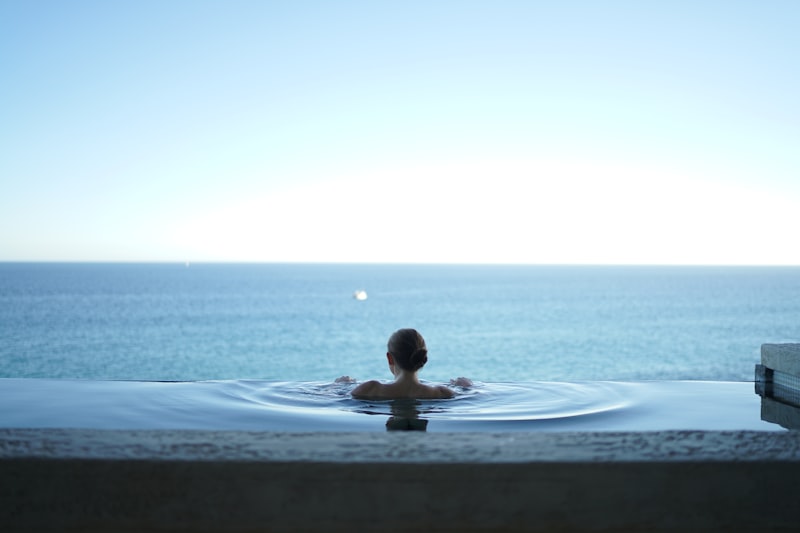
Jeju Enters Peak Summer Resort + Medical Season — Surge in MediQueen Listing Inquiries from Jeju Hospitals and Wellness Providers
As early July 2026 marks the peak of Jeju tourism combining summer leisure with medical care, MediQueen is seeing a rapid rise in listing inquiries from Jeju hospitals and wellness providers.
Read more →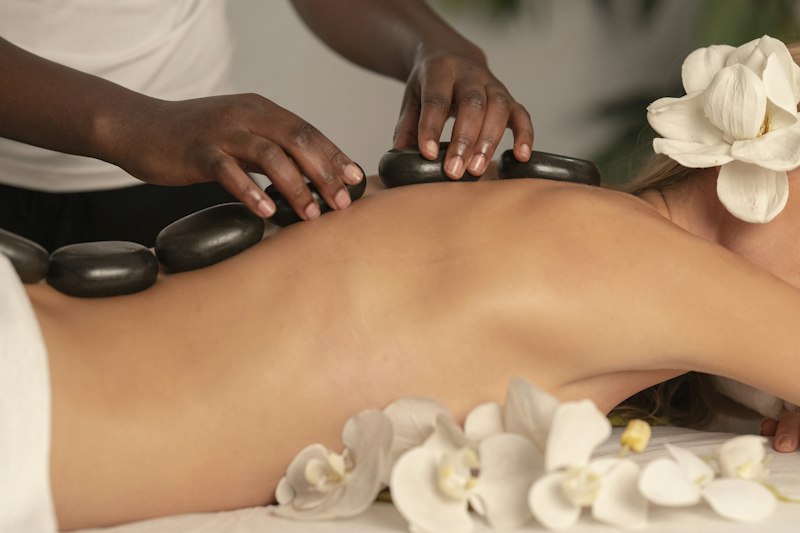
Jeju Summer Healing Retreat Season Opens — Marine Wellness + Health Checkup Combo Programs Soar
In late June 2026, Jeju officially opens its summer healing retreat season, with combo programs pairing marine wellness and health checkups for foreign visitors drawing strong response.
Read more →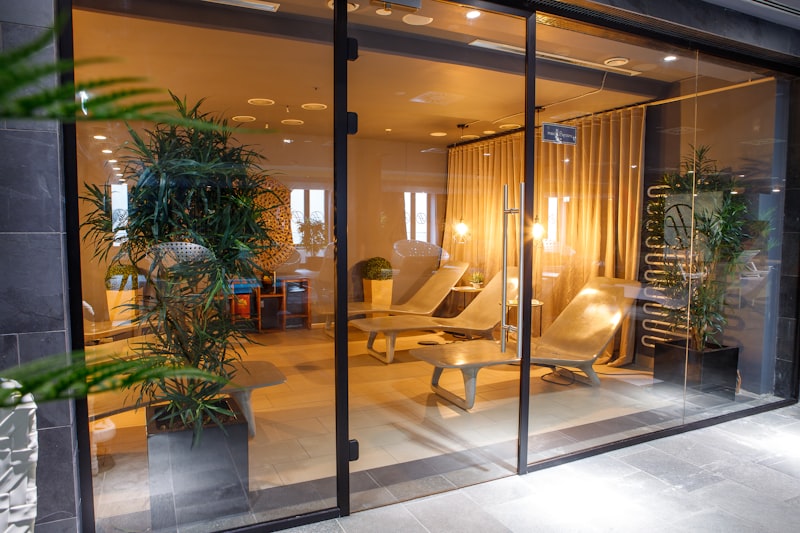
Jeju Wellness Tourism Grows 45% Year-over-Year in 2026
According to Q1 2026 statistics released by Jeju Special Self-Governing Province, wellness-purpose visitors increased 45% compared to the same period last year.
Read more →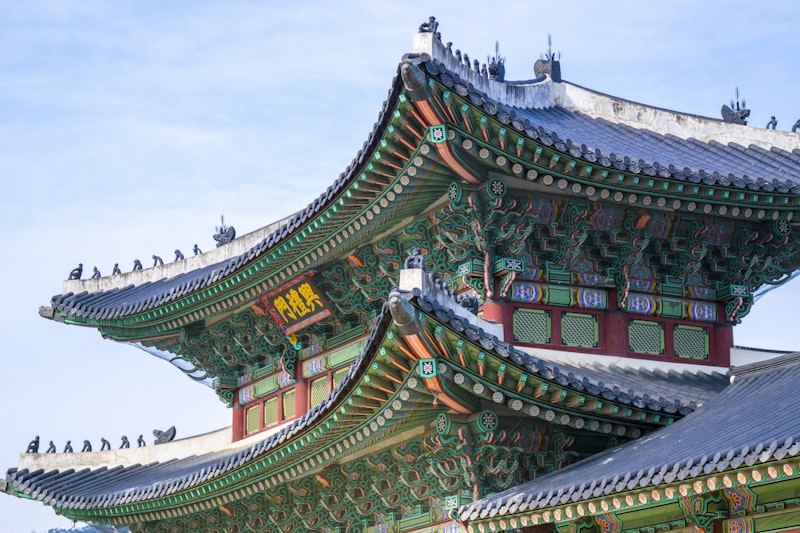
Major New Direct Flights to Jeju Launched from Across Asia
In the first half of 2026, new direct routes from Taipei, Hanoi, Bangkok, and more to Jeju are launching, dramatically improving international accessibility.
Read more →
K-Drama "Island of Wind" Films in Jeju, Sparking Global Fan Tourism
Netflix global #1 hit K-drama "Island of Wind" was filmed across Jeju, creating a new tourism trend of filming location pilgrimages.
Read more →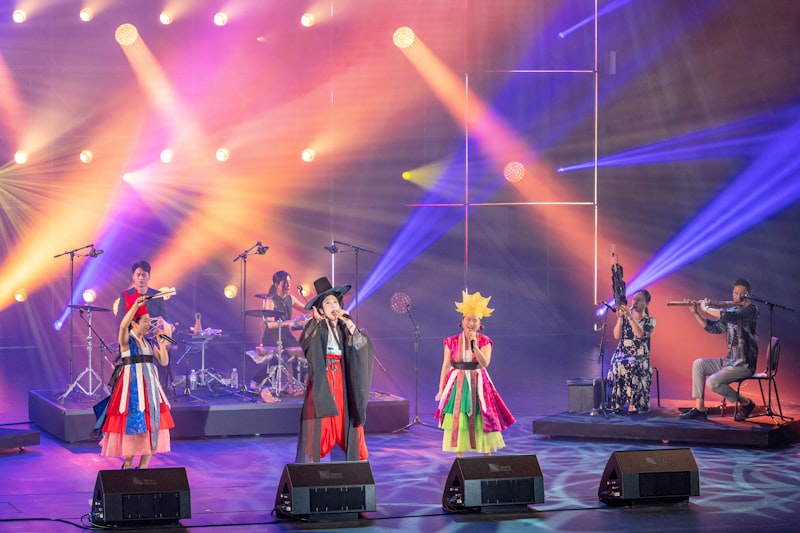
Jeju Haenyeo Culture Sees Surging Global Interest After UNESCO Inscription
Jeju Haenyeo cultural experience programs, inscribed on UNESCO's Intangible Cultural Heritage list, are gaining immense popularity among international tourists.
Read more →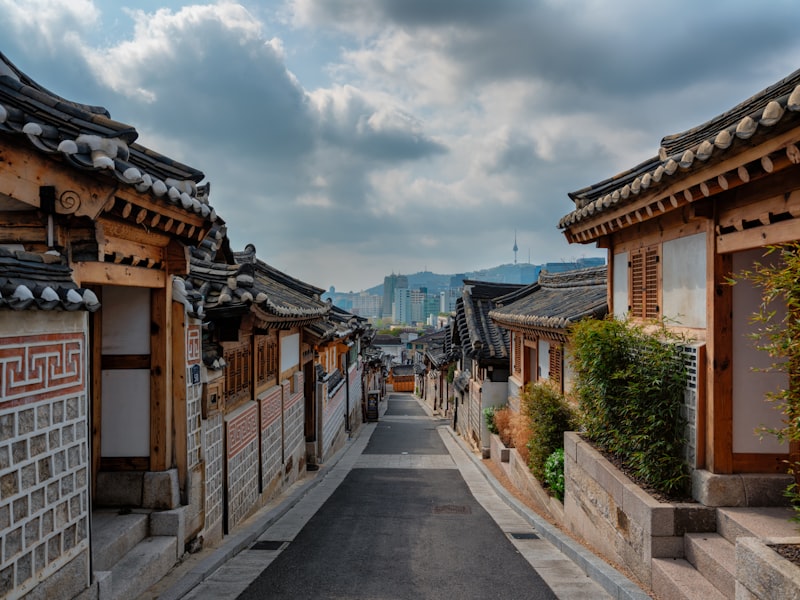
Jeju Leads Carbon-Neutral Eco-Tourism with Full-Scale Green Initiatives
Jeju Special Self-Governing Province is implementing comprehensive eco-tourism policies including EV tourism, carbon-offset trekking, and zero-waste accommodation toward its 2030 carbon neutrality goal.
Read more →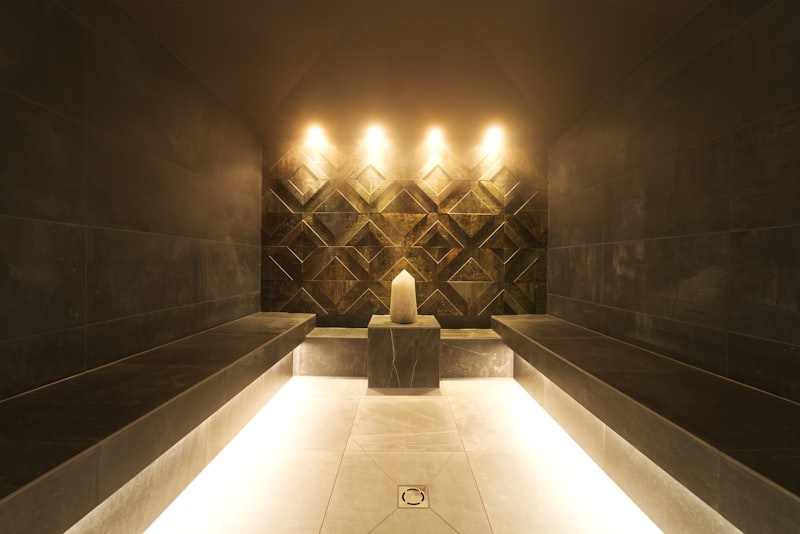
Jeju Medical Tourism Surpasses 120K Visitors in 2025 — Dermatology & Traditional Medicine Lead
Medical tourists visiting Jeju in 2025 surpassed 120,000, with dermatology treatments and traditional Korean medicine wellness programs recording the highest popularity.
Read more →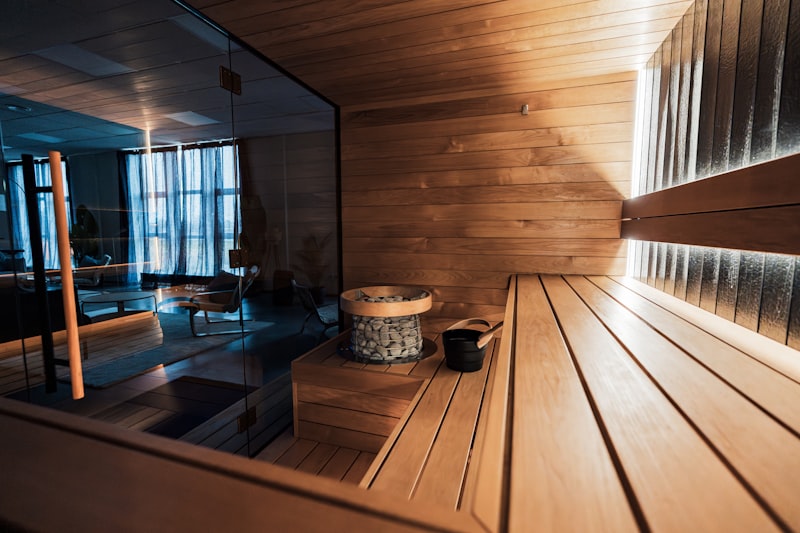
Jeju Medical Wellness Zone Expands — ₩15B Investment in Seogwipo Jungmun Area
Jeju Province is expanding its medical wellness zone near Seogwipo's Jungmun Tourist Complex, adding a traditional medicine center, marine therapy facility, and dedicated international patient clinics.
Read more →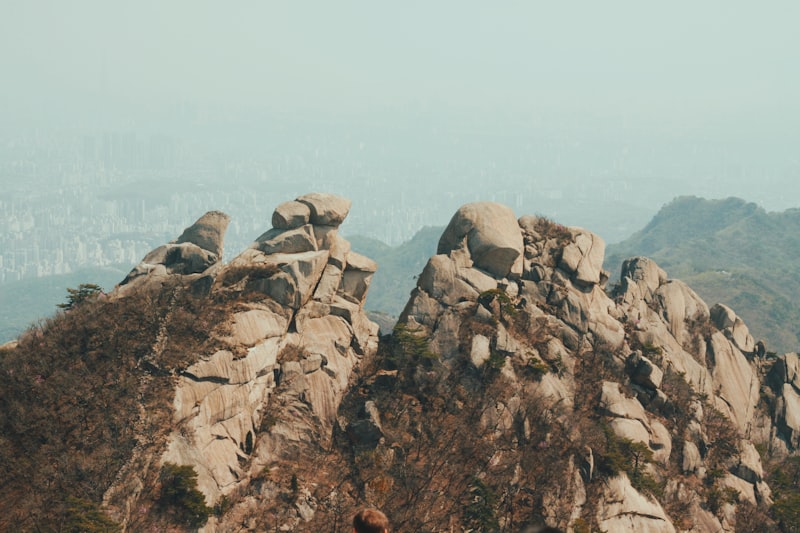
Hallasan Spring Flower Season Opens — Canola in March, Cherry Blossoms & Azaleas Peak in April
Spring flower season has officially begun across Jeju's Hallasan and coastal roads. Yellow canola flowers blanket the island from mid-March, with cherry blossoms and Hallasan azaleas peaking in April.
Read more →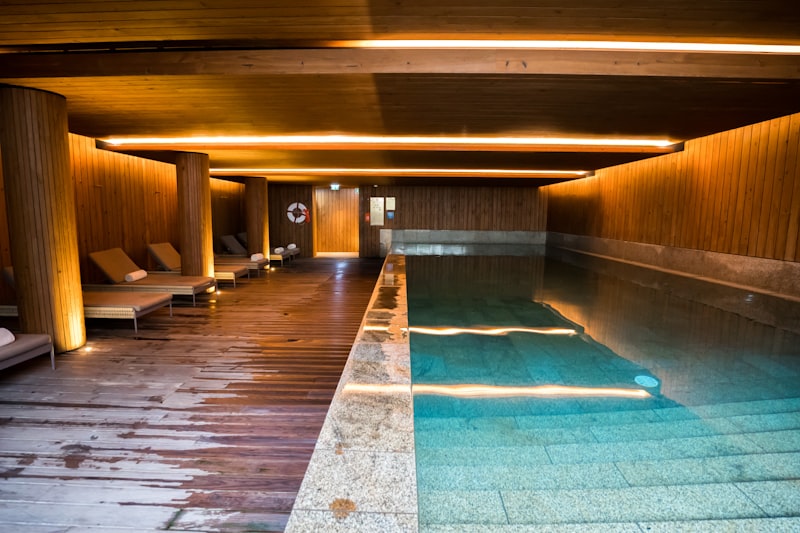
Jeju Traditional Healing Meets Modern Medicine — "Jeju Healing Medical" Program Launches
A new integrated medical program combining Jeju's traditional herbal healing and Haenyeo-inspired marine therapy with modern medicine has been launched.
Read more →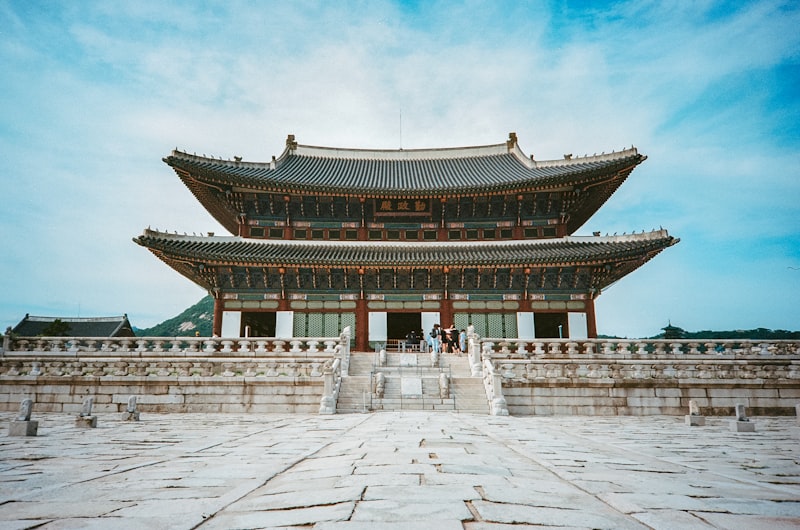
Jeju Expands Direct Flight Routes — Major Access Boost for Southeast Asian & Russian Medical Tourists
Jeju International Airport adds new direct flights from Ho Chi Minh City, Bangkok, and Vladivostok starting summer 2026, dramatically improving access for medical tourists.
Read more →
Jeju Canola Flower Season 2026 — Full Bloom Around Seongsan Ilchulbong
Jeju's iconic spring canola flowers are in full bloom across the island, especially around Seongsan Ilchulbong. Early to mid-April is peak viewing time, and the flower fields have become a popular healing walk for medical tourists recovering from treatments.
Read more →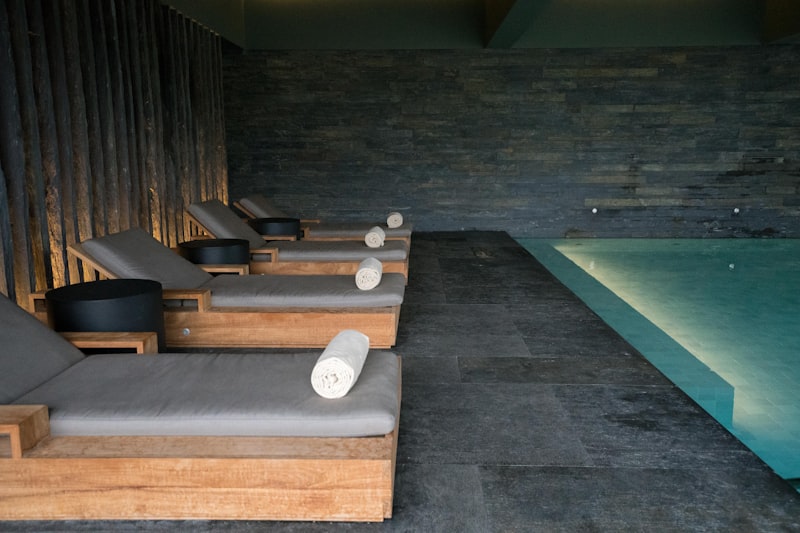
Jeju Wellness Tourism Zone Phase 2 Expansion — Seogwipo Medical Town Development
Jeju Province has officially launched Phase 2 of the "Jeju Wellness Medical Town" project near Jungmun Tourism Complex in Seogwipo. Facilities including a Korean medicine hospital, dermatology clinics, and rehabilitation center are planned for completion in 2027.
Read more →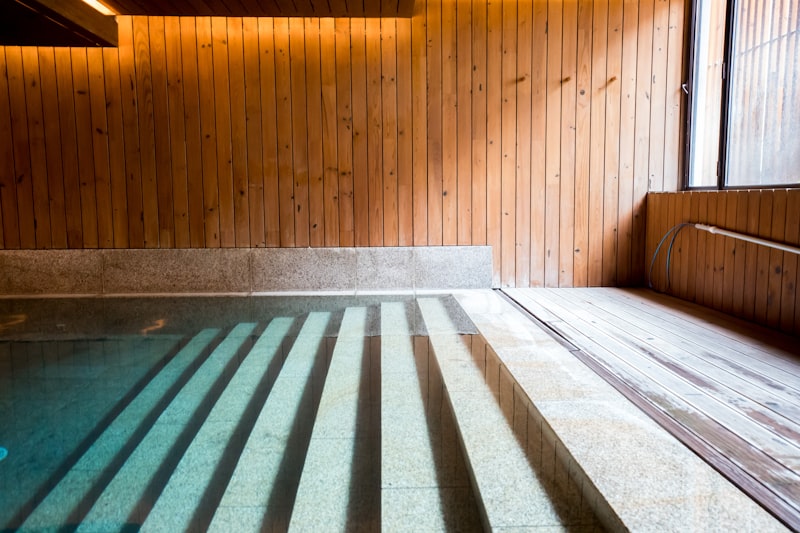
Jeju Olle Trail Medical Tourism Healing Course — Post-Treatment Recovery Walk Recommendations
The Jeju Olle Foundation has selected and announced 5 "Healing Olle" courses for medical tourists. Centered on flat coastal paths suitable for post-treatment walking, the courses include health monitoring services linked with medical institutions.
Read more →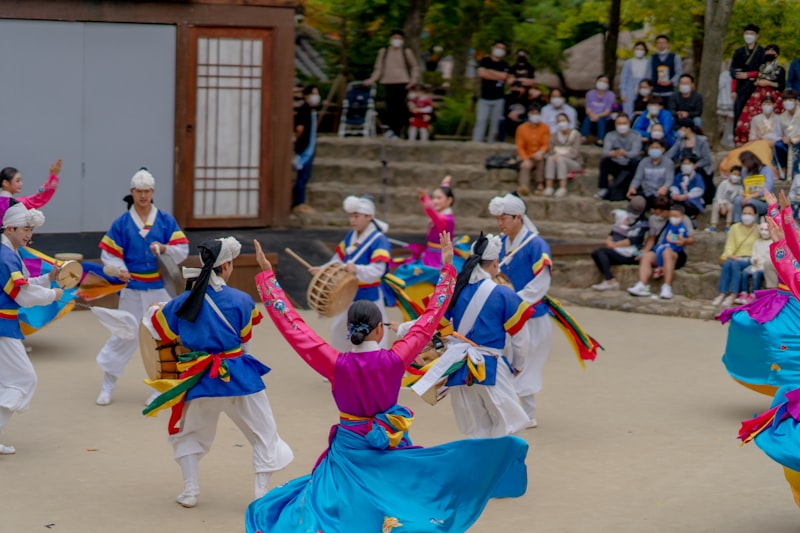
Jeju Volcanic Mud Spa Therapy Popular with Foreigners
Spa therapy using Jeju's natural volcanic mud is surging in popularity among foreign tourists. With scientifically proven skin regeneration and detox effects, programs combining it with medical tourism are expanding.
Read more →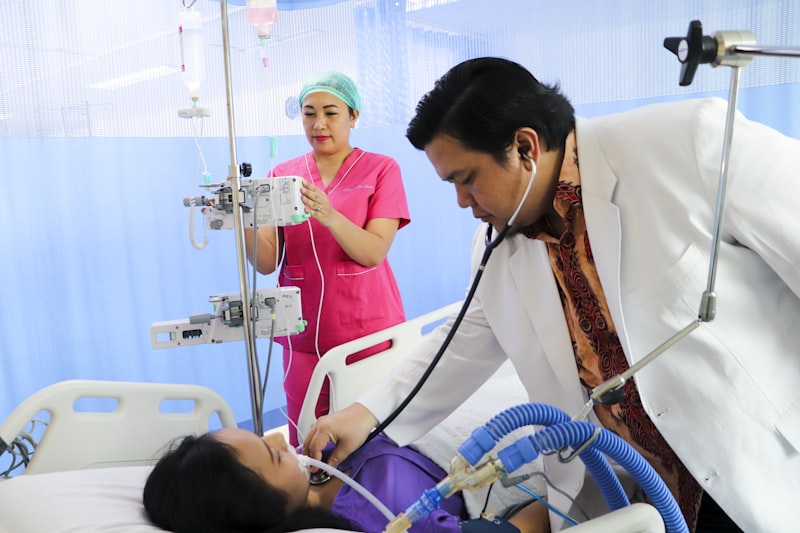
Jeju Medistay Summer Bookings Surge
Jeju's "Medistay" program combining medical treatment, accommodation, and tourism has reached 85% summer booking capacity and is expected to sell out early. Foreign demand for combined health checkups and Jeju nature healing is surging.
Read more →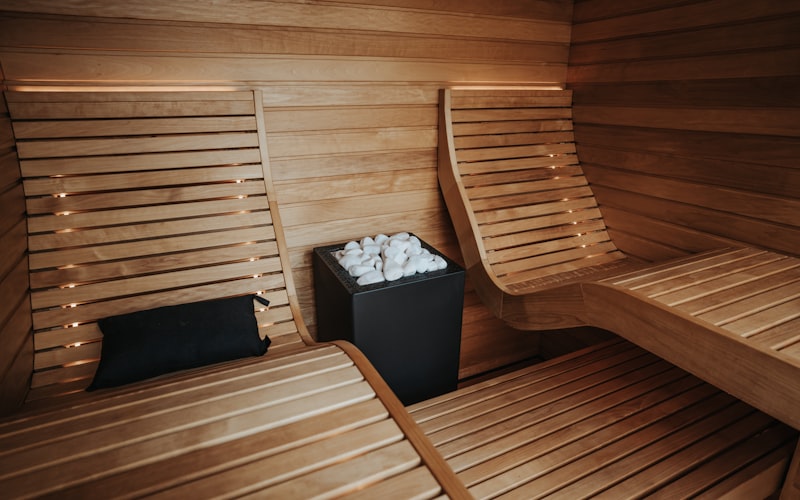
Jeju Green Wellness Program — Eco-Friendly Healing Tourism Launched
Jeju Province has officially launched the "Jeju Green Wellness" program. This eco-friendly healing tourism program utilizes Jeju's pristine natural environment, including Gotjawal forest therapy, oreum meditation, and organic diet therapy.
Read more →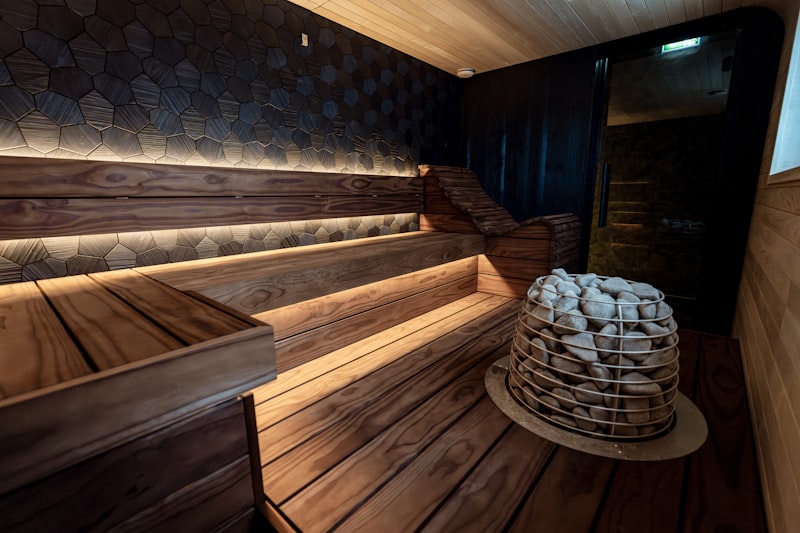
Udo Marine Therapy Center Opens — Seawater Treatment + Skin Care
A new marine therapy center has opened on Jeju's Udo Island. It offers thalassotherapy, seaweed wraps, and marine mineral skin care using Jeju's pristine seawater, with packages linking to medical tourism.
Read more →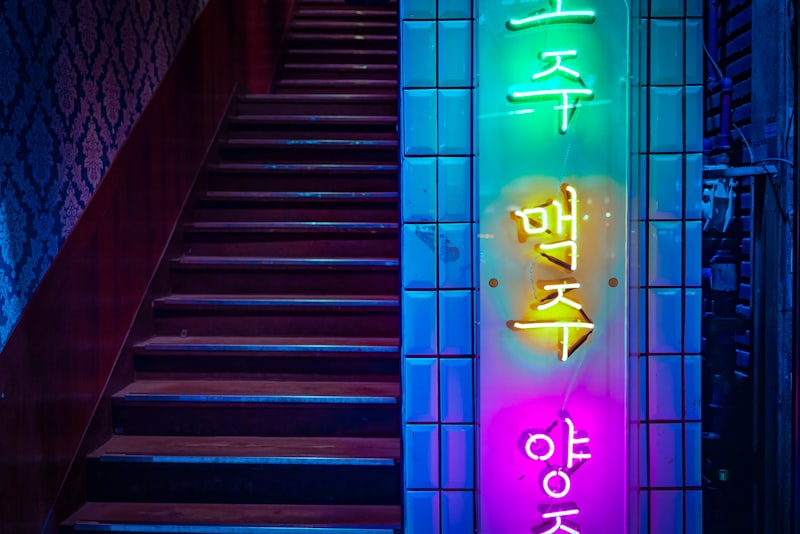
Jeju International Beauty Conference 2026 — Held at Jeju ICC in May
The "Jeju International Beauty Conference 2026" will be held May 26-28 at the Jeju International Convention Center (ICC). Over 500 beauty and medical professionals from around the world will share the latest K-Beauty trends and medical aesthetics technologies.
Read more →
Jeju Summer Marine Therapy Season Opens — Seawater + Seaweed Skin Treatment Programs
Jeju has officially opened its summer marine therapy season from June 1. Skin treatment programs utilizing Jeju's pristine seawater and natural seaweed are operating at 10 wellness facilities in the Jungmun and Seogwipo areas.
Read more →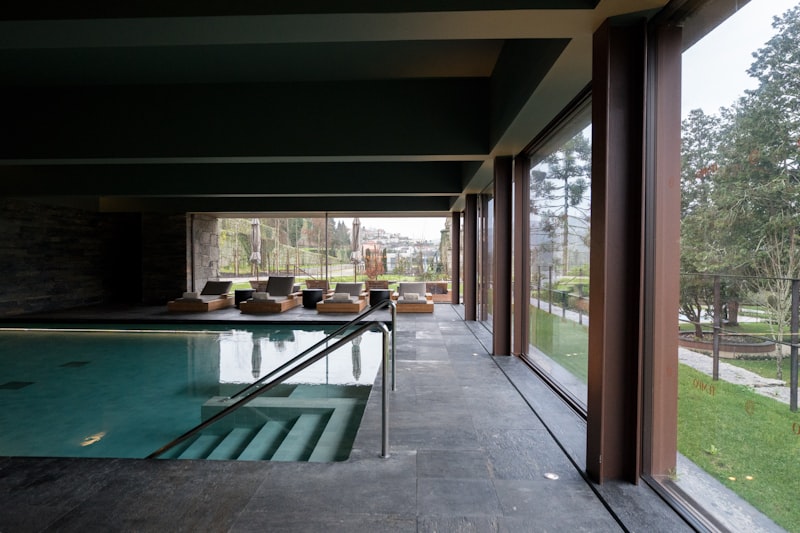
Jeju Hallasan Summer Trekking + Medical Tourism — Post-Climb Health Checkup Packages
Jeju Tourism Organization and Jeju medical institutions have partnered to launch "Mountain Medicare" packages combining Hallasan summer trekking with comprehensive health checkups. Receive full health screenings and traditional Korean medicine treatments after climbing Hallasan.
Read more →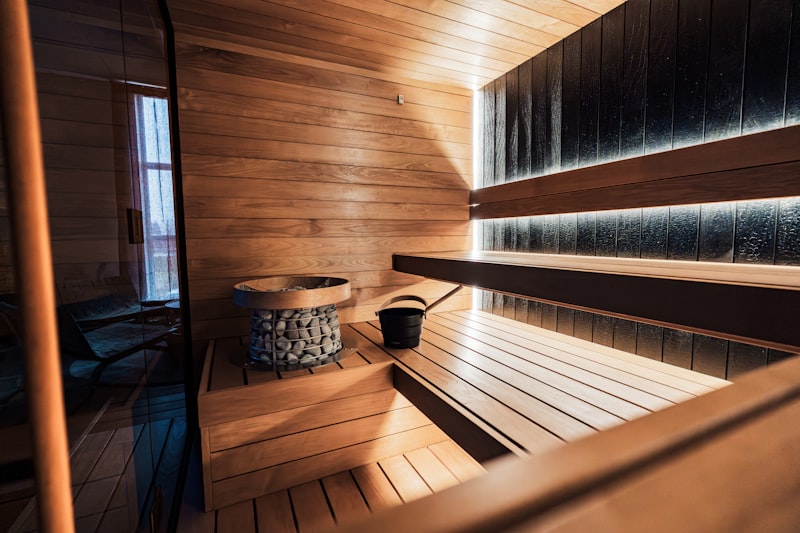
Jeju International Free City Medical Tourism MOU — Agreement with 5 Southeast Asian Countries
Jeju Special Self-Governing Province has signed medical tourism MOUs with health and tourism ministries of 5 Southeast Asian countries — Vietnam, Thailand, Indonesia, Malaysia, and the Philippines. Key agreements include direct flight expansion and visa simplification.
Read more →🍽️ Food Guide
Jeju Island Food
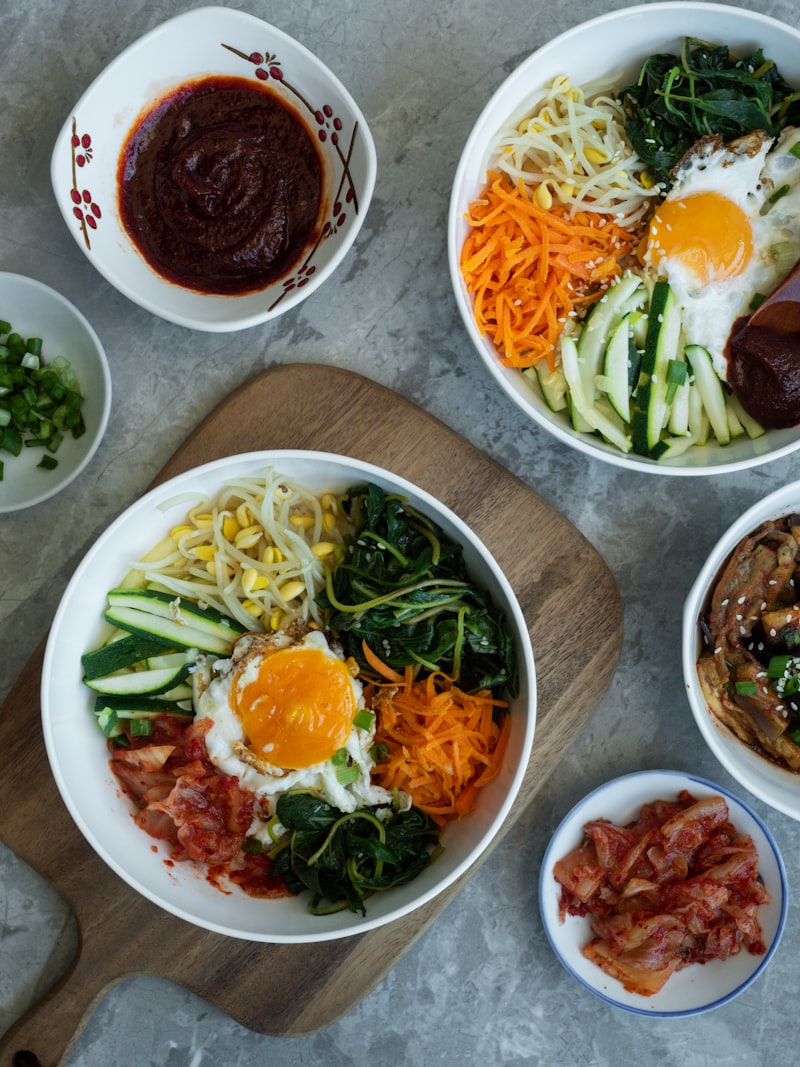
Jeju Black Pork BBQ
Jeju's signature dish — locally raised black pork grilled over charcoal. Leaner and chewier than regular pork, it's best enjoyed with salted anchovy sauce (meljjeot) that doubles the umami flavor. Top restaurants cluster around Tapdong in Jeju City and Jungmun in Seogwipo.
⭐ Must-Try
Geun-gogi (thick-cut pork belly) and hang-jeong-sal (pork jowl)
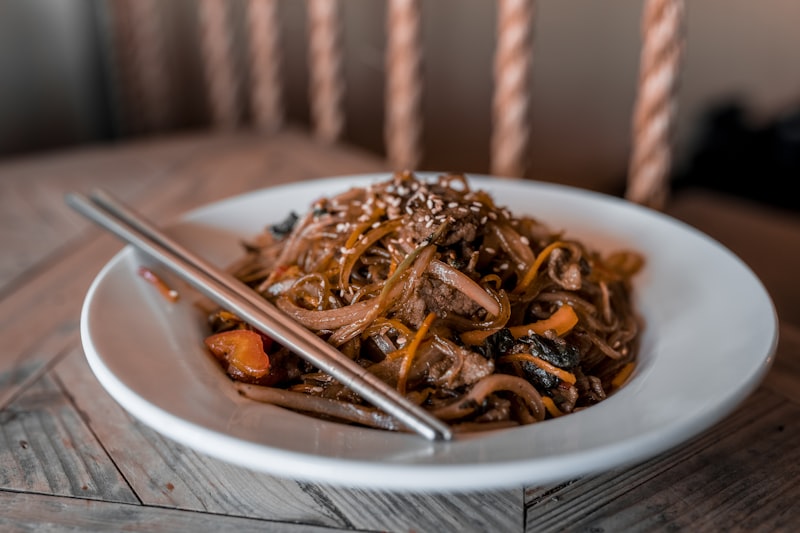
Jeju Abalone Porridge
A nutritious and restorative porridge made with fresh Jeju abalone sauteed in sesame oil and simmered with rice. The inclusion of abalone innards gives the broth its distinctive green tint and rich depth. Especially popular as a morning meal.
⭐ Must-Try
Abalone porridge topped with a whole fresh abalone
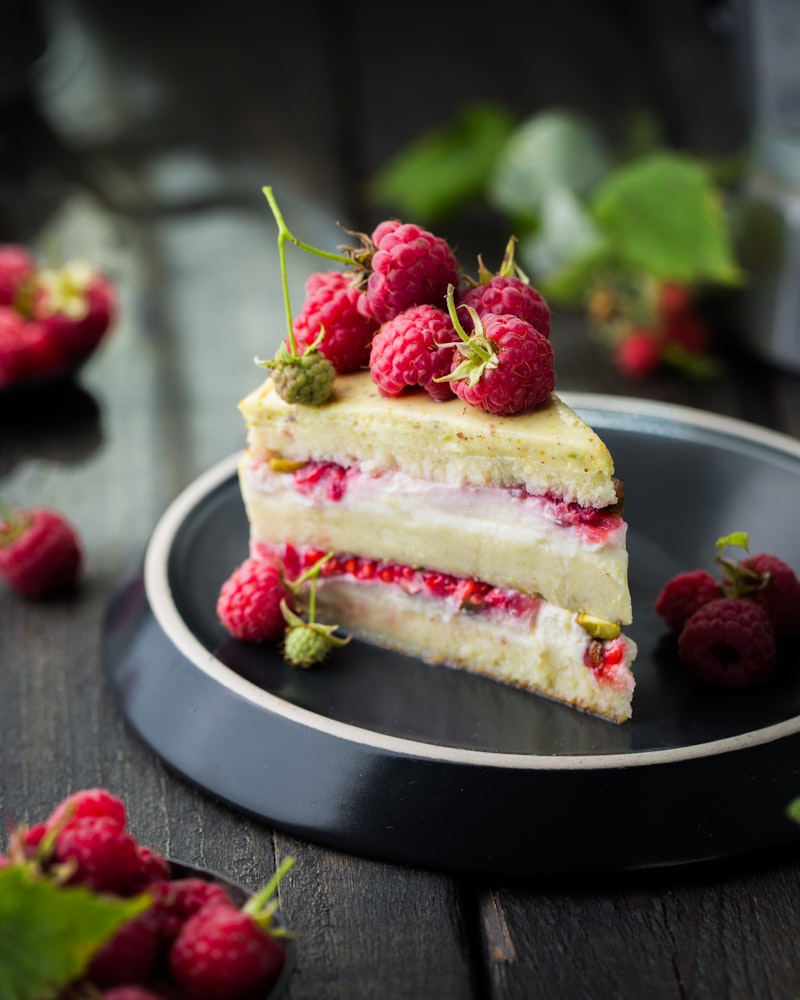
Hallabong Citrus Desserts
A variety of desserts made with Hallabong, Jeju's premium citrus fruit. Hallabong tarts, chocolates, gelato, and ades offer flavors unique to Jeju cafes. Peak season is winter through spring.
⭐ Must-Try
Fresh cream Hallabong tart and Hallabong gelato
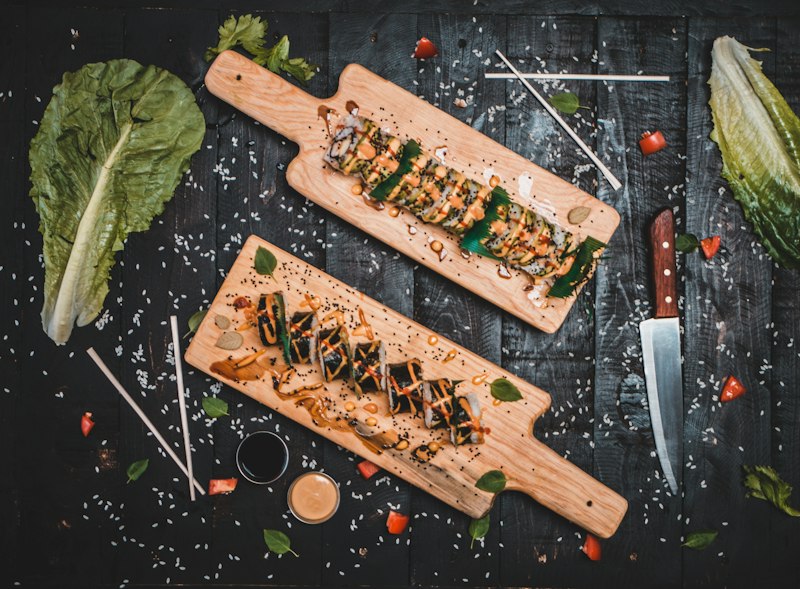
Jeju Seafood Hot Pot
A spicy seafood hot pot brimming with fresh catches from Jeju's waters — abalone, conch, octopus, sea urchin, and clams. Many restaurants use seafood caught directly by Haenyeo divers, delivering unmatched ocean freshness.
⭐ Must-Try
Sea urchin soup and seafood hot pot set meal
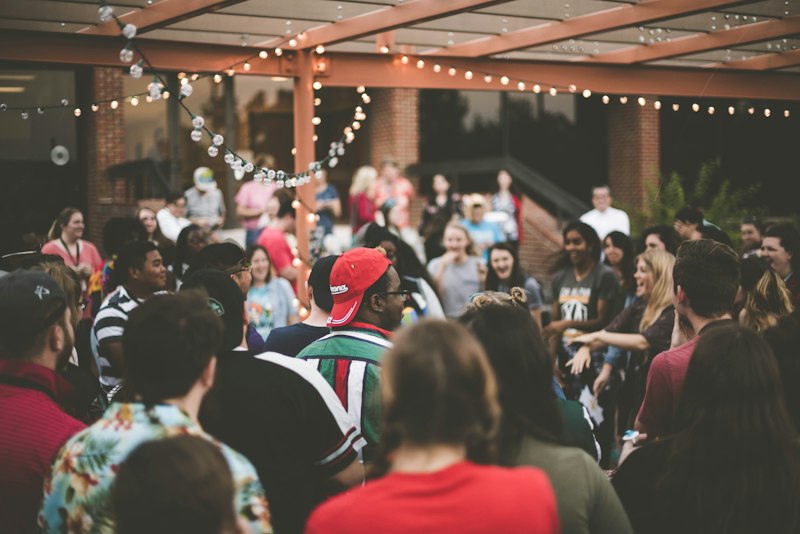
Dongmun Traditional Market Food
Jeju's largest traditional market with over 70 years of history, offering a wide variety of local street food in one place. Fresh-squeezed tangerine juice, black pork skewers, grilled okdom fish, tteokbokki, and omegi-tteok — the best place to experience authentic local flavors.
⭐ Must-Try
Fresh tangerine juice, black pork skewers, and omegi-tteok rice cakes
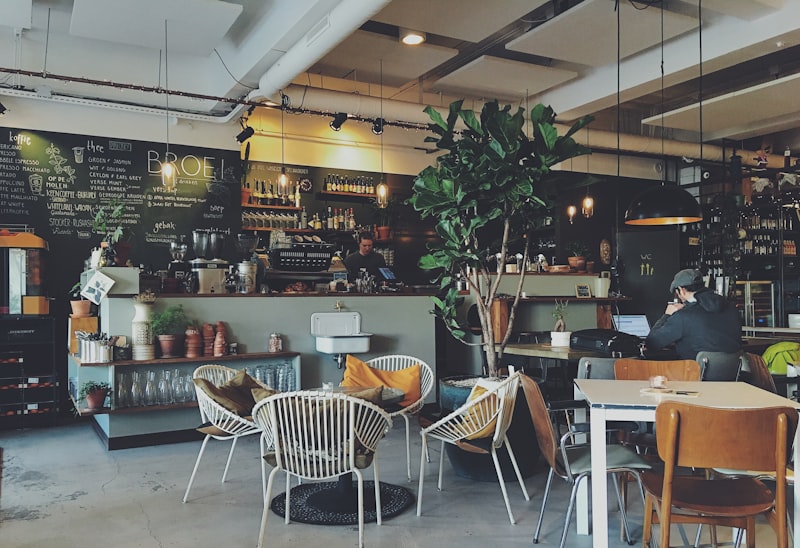
Jeju Cafe Culture
Jeju is a mecca of Korean cafe culture, lined with aesthetic cafes set against ocean views, volcanic cones (oreum), and tangerine orchards. Enjoy Jeju-exclusive menu items like Hallabong latte, Jeju green tea tiramisu, and carrot cake while gazing at the sea through floor-to-ceiling windows.
⭐ Must-Try
Hallabong latte and Jeju green tea tiramisu
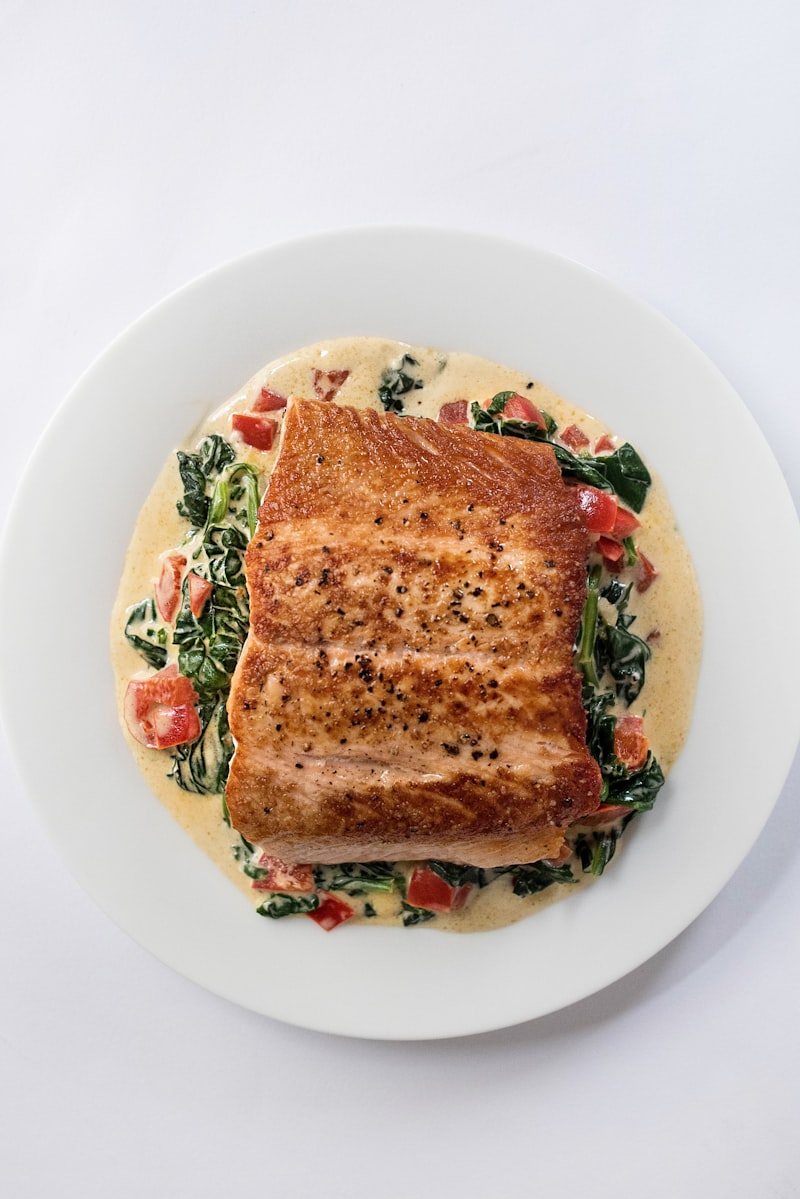
Galchi-jorim (Braised Hairtail)
Jeju's signature fish dish — fresh silver hairtail caught from Jeju's waters, braised with radish and potatoes in a sweet-spicy sauce. The thick, tender flesh is exquisite, and mixing rice into the flavorful sauce is a must. Jeju's hairtail is larger and richer than mainland varieties, delivering superior taste.
⭐ Must-Try
Silver hairtail braised set meal (with rice and side dishes)
Jeju Tangerine Artisan Desserts
Trendy dessert cafes featuring Jeju-grown tangerines are all the rage. Tangerine crepe cakes, tangerine macarons, tangerine Mont Blanc, and fresh tangerine juice — exclusive treats found only in Jeju cafes. Perfect for a leisurely post-treatment indulgence. Winter-spring outdoor tangerines are the sweetest.
⭐ Must-Try
Tangerine crepe cake and fresh tangerine juice
Jeju Abalone Seafood Casserole
A nourishing stone-pot dish brimming with premium seafood caught by Jeju's Haenyeo divers — abalone, conch, sea cucumber, and sea urchin. An ideal post-treatment recovery meal packed with nutrition. Best enjoyed at restaurants near Haenyeo villages using the freshest ingredients. The deep umami of abalone and ocean minerals will rejuvenate your body.
⭐ Must-Try
Haenyeo special abalone casserole (whole diver-caught abalone)
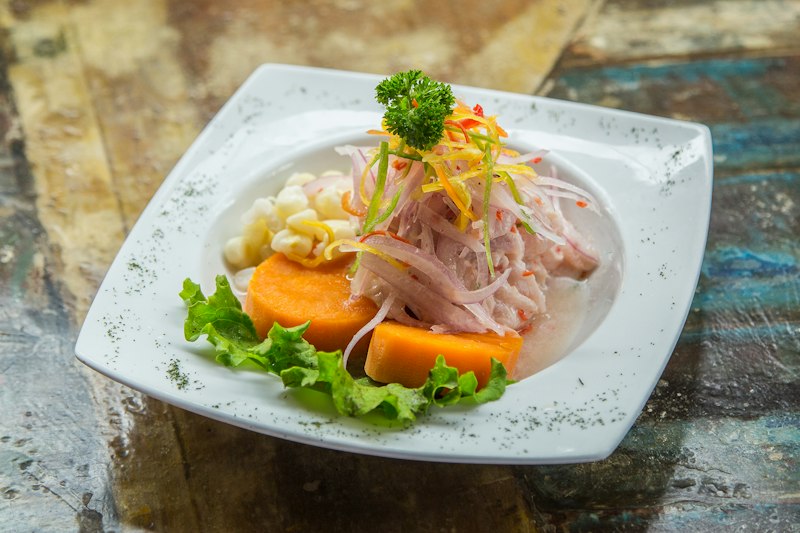
Seogwipo Braised Cutlassfish Alley
The braised cutlassfish alley near Seogwipo Olle Market is where you taste Jeju's prized silver cutlassfish. Thick fillets braised in sweet-spicy sauce with radish and potatoes — a quintessential Jeju local dish. About 10 specialty restaurants cluster in this alley, each with their own secret seasoning. Rich in protein, it's excellent nourishing food for post-treatment recovery.
⭐ Must-Try
Silver cutlassfish braised set meal (with rice & sides)
Jeju City Black Pork Street New Hot Spot
A premium black pork specialty restaurant newly opened in 2026 on Jeju City's Tapdong Black Pork Street. Using only Jeju native breed black pork, they provide full table-side grilling service over charcoal. The thick cuts of neck meat (geun-gogi) and five-layer pork belly are exceptional, served with house-made doenjang jjigae and anchovy sauce. Word-of-mouth among international medical tourists has made reservations essential.
⭐ Must-Try
Black pork neck meat + five-layer belly set
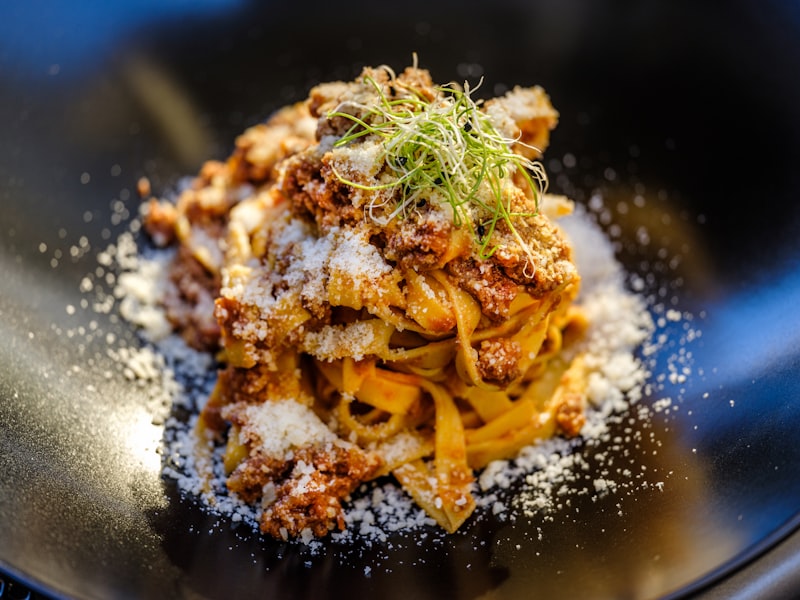
Hallim Haenyeo Seafood Direct Market
A direct seafood market run by Jeju's haenyeo (women divers) in Hallim-eup, offering abalone, turban shells, sea urchin, and sea cucumber at affordable prices. The haenyeo grandmothers prepare the seafood right before your eyes, and enjoying ultra-fresh catches while gazing at the ocean is a uniquely Jeju experience. Excellent for protein-rich recovery meals after medical treatments.
⭐ Must-Try
Haenyeo-caught abalone sashimi + sea urchin bibimbap
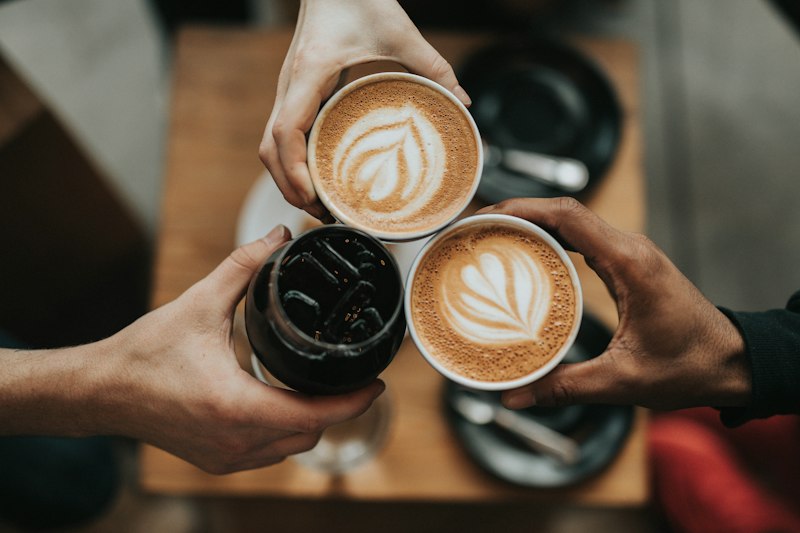
Seongsan Cafe Street Desserts
A dessert destination on the Jeju-aesthetic cafe street near Seongsan Ilchulbong. Enjoy creative desserts and drinks featuring Jeju mandarins, Hallabong, and green tea while gazing at the Jeju sea. The Hallabong tart, green tea tiramisu, and Jeju mandarin ade from cafes with Seongsan Ilchulbong views are hugely popular on social media. Perfect for a relaxing healing time after medical tourism.
⭐ Must-Try
Hallabong tart + green tea tiramisu set
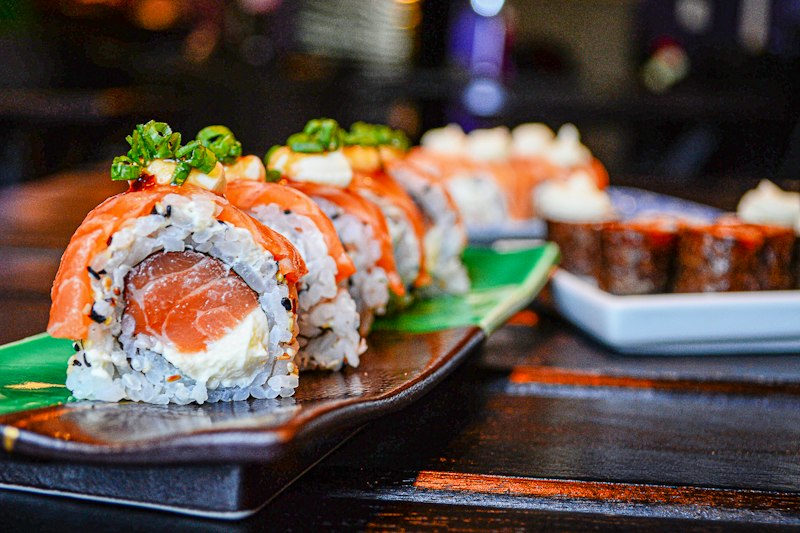
Jeju Haenyeo Village Sea Urchin Noodles
A specialty restaurant serving sea urchin noodles made with fresh sea urchin caught by Jeju's Haenyeo divers. The rich, creamy sea urchin broth with chewy noodles is a unique Jeju delicacy you can't find elsewhere. The broth perfectly balances the sea urchin's creamy flavor with ocean freshness. Side dishes of Haenyeo-caught abalone and turban shells available. Rich in protein and minerals — ideal recovery food after medical procedures.
⭐ Must-Try
Sea urchin noodles + abalone water sashimi set
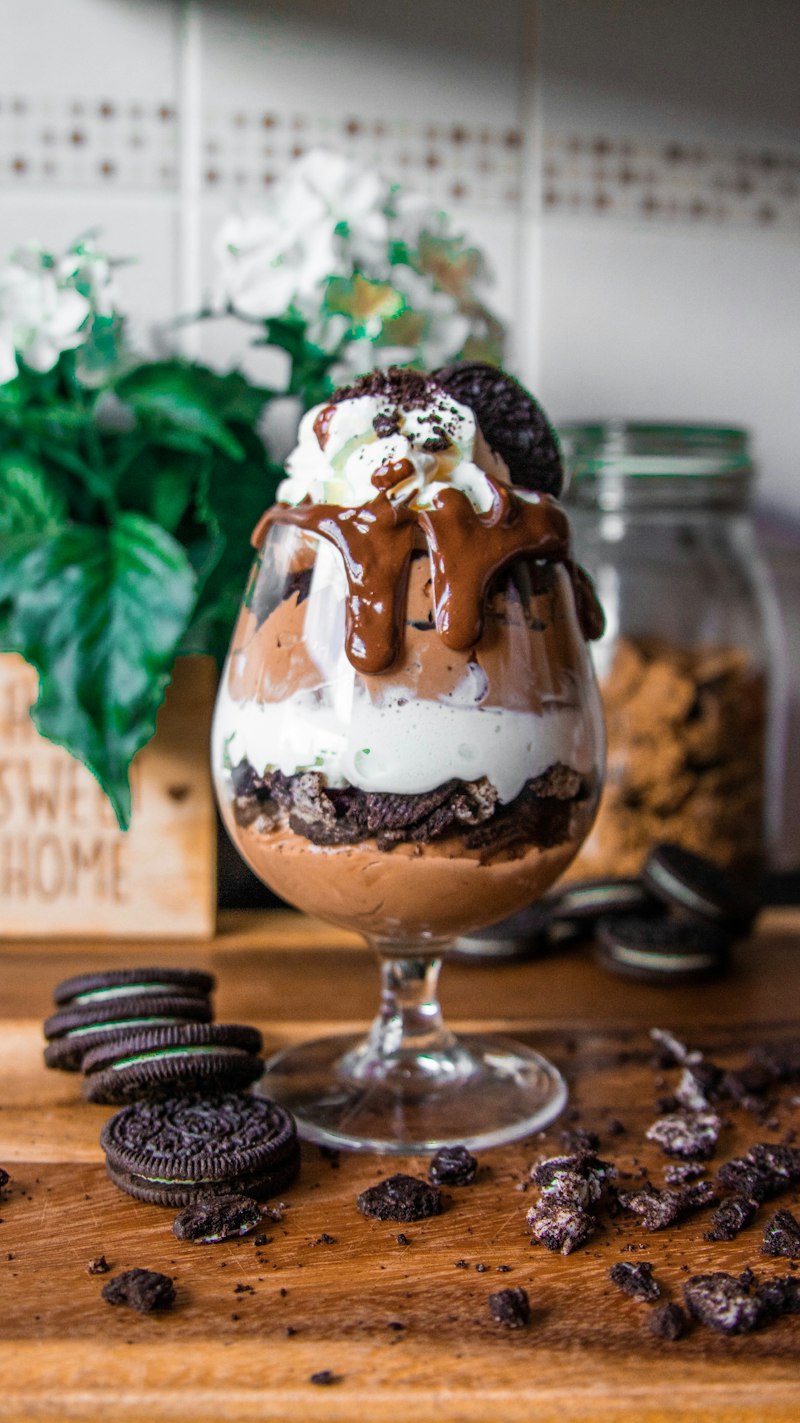
Seogwipo Mango Dessert Cafe
A dessert specialty cafe using locally grown Jeju mangoes from the Seogwipo area. Jeju mangoes, nurtured in the island's warm climate, are exceptionally sweet and aromatic. The cafe offers mango bingsu (shaved ice), mango tarts, mango smoothies, and more. The ocean view from the cafe overlooking Seogwipo's coastline is stunning. Perfect for healing time after medical tourism. Visit during June–August mango season for the freshest desserts.
⭐ Must-Try
Jeju mango bingsu + fresh mango juice set
🌸 Seasonal Guide
Best Time to Visit
The best times to visit Jeju are spring (April-May) and autumn (September-October). Spring brings canola flowers and cherry blossoms in full bloom, while autumn offers beautiful silver grass and foliage with pleasant weather. Summer (July-August) is great for water activities but beware of typhoons and monsoon season. Winter (December-February) has its own charm with Hallasan snow scenes and peak Hallabong season. Medical tourism is available year-round, with spring and autumn being the busiest booking seasons.
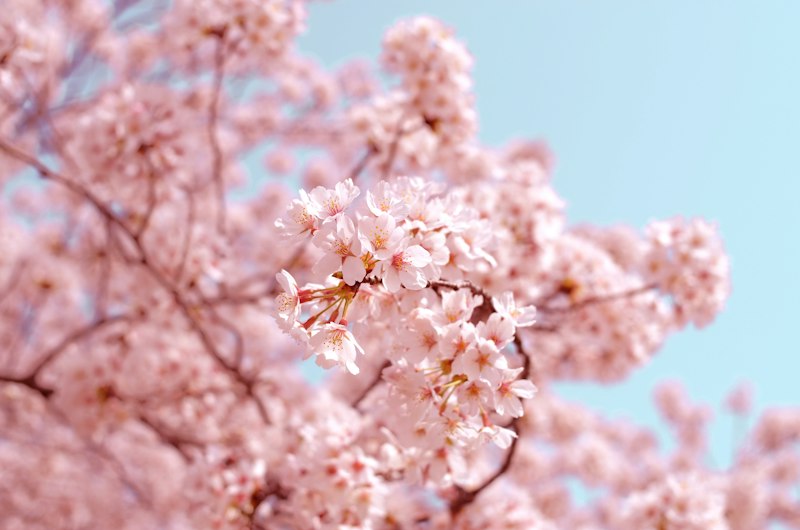
Spring (Mar-May) — Canola Flowers & Cherry Blossoms
Jeju's spring paints the entire island in golden canola flowers and pink cherry blossoms blooming simultaneously. The azalea colonies on Hallasan's mid-slopes and cherry blossom roads along the coast are particularly stunning.
- •Visit canola flower photo zones
- •Cherry blossom drives (Noksanro & Jeonnongro)
- •Hallasan spring flower trekking
- •Canola flowers at Seongsan Ilchulbong
- •Jeju Wildflower Festival
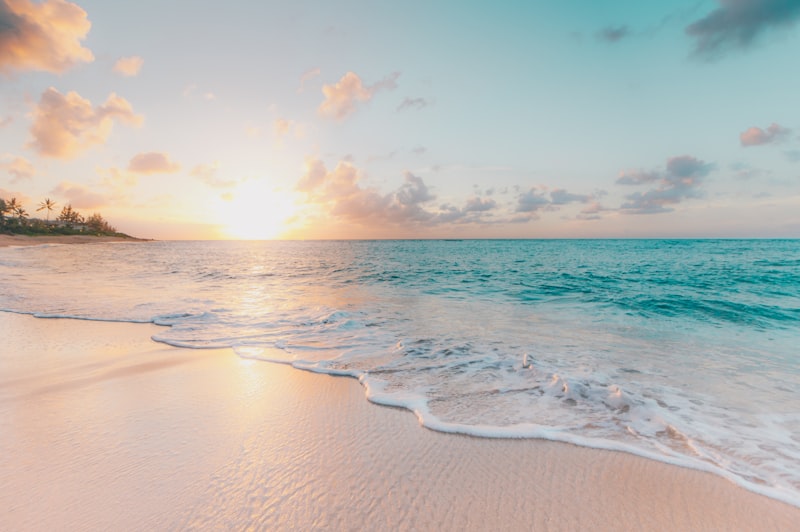
Summer (Jun-Aug) — Emerald Seas & Water Activities
Summer in Jeju is the season for ocean activities in crystal-clear emerald waters. Surfing at Hyeopjae and Woljeongri beaches, snorkeling around Udo Island, and trekking through Hallasan's forest valley trails are top activities.
- •Swimming at Hyeopjae & Hamdeok beaches
- •Snorkeling & kayaking at Udo
- •Surfing at Woljeongri Beach
- •Yeongsil valley trekking on Hallasan
- •Night coastal squid fishing
- •Yacht tour from Seongsan Port

Autumn (Sep-Nov) — Silver Grass & Tangerine Season
Autumn Jeju is spectacular with silver pampas grass blanketing Hallasan and the volcanic cones (oreum), and vibrant fall foliage. The perfect season for tangerine picking and Olle Trail trekking.
- •Silver grass viewing on Hallasan (Yeongsil & Eorimok trails)
- •Oreum fall foliage trekking
- •Tangerine picking experience
- •Olle Trail walking
- •Jeju Marathon
- •Outdoor BBQ & camping
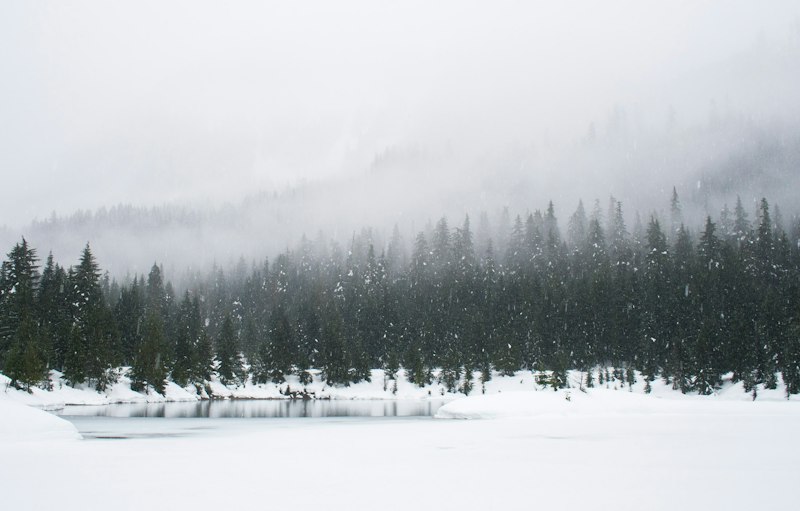
Winter (Dec-Feb) — Snowy Landscapes, Hallabong & Hot Springs
Winter Jeju offers a unique charm where Hallasan's snow-covered landscapes coexist with the coast's mild climate. Hallabong and tangerines are in peak season, and coastal hot springs and traditional Korean medicine spas provide warm healing experiences.
- •Hallasan snow trekking
- •Hallabong & tangerine harvesting
- •Coastal open-air hot springs
- •Traditional Korean medicine spa & sauna
- •Camellia viewing (Camellia Hill)
- •Winter sea fishing
💡 Travel Tips
Jeju Island — Travel Tips
Rental Car is Essential
Public transportation in Jeju is limited, making a rental car virtually essential. Prepare an International Driving Permit. Jeju has excellent EV charging infrastructure, so renting an electric car is recommended. Use KakaoMap or Naver Map for navigation.
Prepare for Unpredictable Weather
Jeju is known for having "four seasons in one day." Strong winds and sudden rain are common, so always carry a windbreaker and light rain gear. Temperatures can drop dramatically when hiking Hallasan, so bring warm layers.
Medical Facilities Guide
General hospitals and multilingual medical facilities are available in Jeju City and Seogwipo. Medical tourism specialists (dermatology, traditional medicine clinics) are mainly located in Yeon-dong and Nohyeong-dong in Jeju City, and the Jungmun area in Seogwipo. Search for hospitals with English, Chinese, and Japanese consultation on the MediQueen app.
Hallasan Hiking Tips
Hiking to Hallasan's Baengnokdam summit takes 4-5 hours one way via Seongpanak or Gwaneumsa trails. Advance reservation is required (Jeju Pass app), and entry time limits apply — early morning starts are recommended. Yeongsil and Eorimok trails are shorter for lighter hikes. Bring proper hiking boots, sufficient water, and snacks.
Payment & Tipping
Most shops in Jeju accept card payments, but cash may be needed at traditional markets and small restaurants. There is no tipping culture in Korea, and service charges are not added separately. Getting a Korea Tour Card in advance is convenient for transportation and attraction entry.
SIM Card & Wi-Fi
Rent a SIM or pocket Wi-Fi at Incheon/Gimpo Airport. Free public Wi-Fi is available in subways, cafés, and public areas nationwide — arranging a travel SIM before arrival is the easiest option.
Buy a travel SIMGetting Around
Jeju International Airport (CJU) is about 1 hour from Seoul Gimpo and 55 minutes from Busan Gimhae, with many direct international flights from Japan, China, and Southeast Asia. Rental cars are the most convenient for getting around the island, though city buses and tourist loop buses also operate. Taxis take about 15 minutes from the airport to Jeju City center and 50 minutes to Seogwipo. Udo Island is a 15-minute ferry from Seongsan Port, and Marado is 30 minutes from Moseulpo Port.
🏥 Hospitals in This Region
Jeju Island


📍 Nearby Regions
Nearby Regions

Best Lists in This Area
View allBESTBEST 3 Healing Health Checkup in Jeju
Health Checkup
BESTBEST 3 Wellness Medical Tourism Hospitals in Jeju
Wellness
 BEST
BESTBEST 3 Healing Health Checkup Hospitals in Jeju (2026)
Comprehensive Checkup/Premium Package
BESTBEST 3 Healing Wellness Hospitals in Jeju
Wellness/Healing
 BEST
BESTBEST 3 Jeju Wellness & Beauty Picks
Wellness & Beauty
 BEST
BESTBEST 3 Jeju Family Medical Tourism Hospitals
Family Medical Tourism
Related Magazine
View all

Start Medical Tourism in This Region
Experience the charm of Korea alongside world-class medical services
Jeju Island — 10 hospitals available